
REVIEW · CORONET PEAK AND CARDRONA TRIPS
Cardrona Valley: Horse Trekking Experience
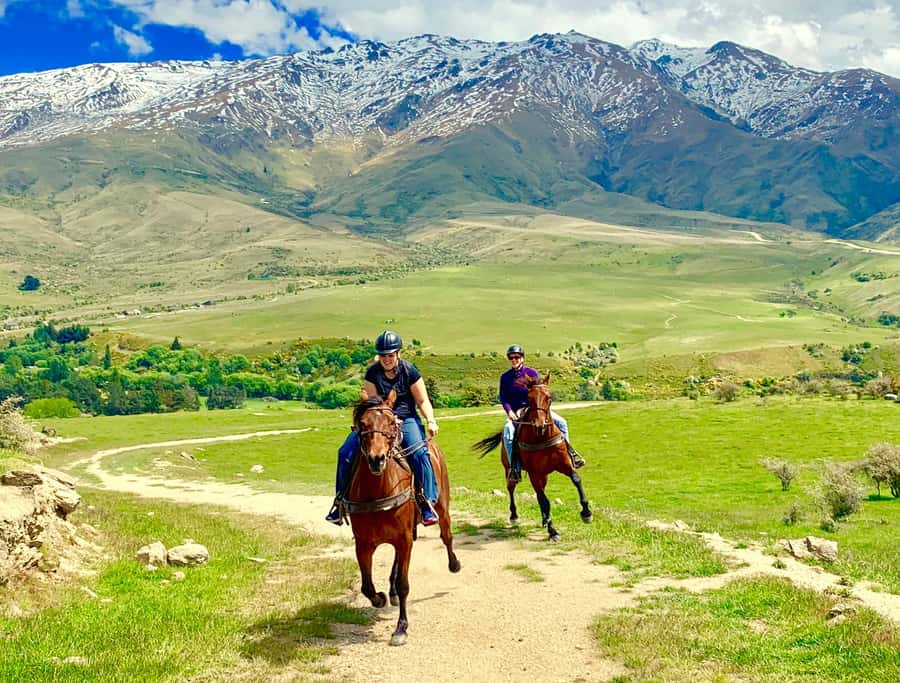
Horseback in Cardrona Valley has a way of turning “just a ride” into a real out-in-the-mountains moment. What makes it special is the careful horse matching plus a hands-on, one-on-one lesson that helps you actually steer and stop with confidence. I also like the loose rein approach, because it shifts you from gripping for control to watching the valley unfold. One drawback to keep in mind: this is not a pure walk-only experience, and you should be comfortable with trotting and possibly cantering on the High Country Pub Trail.
The guides bring the calm. In particular, instructors like Hannah (noted for being steady and encouraging) and Phoebe (who adds area facts while keeping the lesson clear) make it feel approachable, even when you’re new. If you’re expecting a casual stroll the whole time, you may feel surprised by how active some trail sections can be.
What I’d Highlight Before You Go
You get a real warm-up lesson, not just a quick briefing.
Small groups stay personal, limited to 6 riders.
Horses are chosen for steadiness, with guides ready to pair you with the right fit.
You may trot, and some riders even gallop or cross streams, depending on your chosen trail and comfort level.
Loose rein riding helps you relax and focus on the views.
Cardrona Valley Horse Trekking: The Setting and the Promise

Cardrona Valley sits in New Zealand’s South Island, and the riding makes good use of that open high-country feel. You’re not just looking at scenery from a viewpoint, you’re moving through it, step by step, at horse pace. That difference matters. It turns the day into a slow, physical way to experience the area.
This experience is built around calm, affectionate trekking horses and a guide team that seems focused on comfort as much as safety. The goal is for you to leave feeling capable, not shaken. You’ll also get the chance to experience that subtle “horsanality” factor, where each horse has its own personality, and you end up adjusting to them instead of fighting the ride.
Price and Value at $298, for 2 Hours to 210 Minutes

At $298 per person, this isn’t a budget activity. It’s priced like a guided, hands-on day with trained horses, a one-on-one instruction block, and expert staff handling safety and pacing.
Here’s why I think it can feel like good value anyway. You’re not only paying for time in the saddle. You’re paying for the lesson, the horse preparation, and the guide decisions that match horses to rider weight and skill. In a place like Cardrona, that kind of staff effort is what makes a horseback day feel smooth instead of chaotic.
Duration is 2 hours to 210 minutes, depending on your starting time and how your trail day runs. Plan for a solid chunk of your day, not a quick stop.
Where You Meet, and Why It Matters More Than You Think
You’ll start at Cardrona Horse Trekking & Quadbiking and meet at Bra Fence. That matters because arriving calm and ready helps your first minutes go well. If you’re rushed, the lesson can feel harder than it needs to be.
Also, because this ride begins with a structured warm-up, arriving early enough to settle in is smart. You’ll get more out of that one-on-one coaching when your head is clear.
The One-on-One Lesson: How They Help You Actually Control the Horse

Before you hit the trail, you get a comprehensive one-on-one riding lesson. This is one of the strongest reasons to book, especially if you’re new. You’re not left to guess how to steer. Your guide focuses on the basics that keep you feeling secure: how to steer and how to stop.
In practice, that lesson seems to set the tone for the entire ride. Riders who are nervous tend to benefit most when they understand what to do when their horse changes pace or starts moving into a slightly different terrain section. The guides also emphasize safety, while still letting riders enjoy a more relaxed style.
You might hear different coaching styles from different instructors, but the common thread is clear and encouraging teaching. Hannah is specifically praised for being calm, and Phoebe is praised for mixing instruction with helpful context about where you are.
Loose Rein Riding: The Moment It Feels Like You’re Part of the Mountain
After the safety foundation, you’re encouraged to ride with a loose rein approach. That’s not a gimmick. It’s a change in mindset.
When you’re holding tight, you’re basically doing the horse’s job for them. With loose rein riding, you give the horse room to move naturally and you focus more on balance and communication. That makes it easier to relax, especially on scenic sections where your attention wants to be on the valley.
This is also where the “gentle” promise starts to make sense. A steady horse plus a guide telling you how to handle steering and stopping creates the conditions for you to enjoy the view instead of managing fear.
Trail Experience: Photo Stops, Scenery, and Wildlife Timing

Your ride is more than just walking down a line of trail. Along the way, you can expect elements like scenic views, wildlife viewing, and a photo stop.
In this kind of high-country setting, wildlife moments often happen in short windows. Guides tend to watch for likely spots, then pause when there’s something worth seeing. Even if you only catch a few seconds of movement, it adds variety to the ride, which otherwise might feel like one long stretch.
You’ll also enjoy sightseeing on the way, so the day feels like more of an experience than simply mounting and dismounting. Guides can also help with capturing photos and videos, which is a practical bonus if you want to remember how you felt at speed, not just what the place looked like.
The Pace Reality Check: High Country Pub Trail Is Not Just a Walk
Here’s the most important part to understand before you book. For the High Country Pub Trail, you do not just walk.
You must be comfortable with trotting, and there’s a chance of cantering. That means this option is better suited to riders who can handle a more active ride without panicking. It’s also not recommended for small children or nervous beginners.
If you’re traveling with younger kids or someone who is truly uneasy about riding that pace, the Gold Discovery Trail is mentioned as a more suitable choice for young families. I’d take that seriously. Choosing the right trail is the difference between a fun day and a stressful one.
What You Might Do: Gallop, Stream Crossings, and Hills
Some of the ride highlights include more excitement than you might expect, depending on how your trail day goes and how you feel in the saddle.
Riders have described getting to gallop, cross streams, and handle up-and-down slopes. That tells you the horse team isn’t only offering a flat, gentle stroll. It’s more like a controlled adventure ride where your guide keeps the group safe while allowing energy when it makes sense.
If you’re a beginner, don’t assume you’ll automatically gallop. But do assume the experience has range. The horses are chosen for calm behavior, yet they are still trekking horses that move through varied terrain.
Horses and “Horsanality”: How You Build Trust Fast
The horses are described as carefully selected, and the common theme is that they’re calm and affectionate. That matters because trust grows faster when your horse isn’t tense or reactive.
You’ll also be matched across a diverse herd, with attention to rider weight and skill level. In real terms, this reduces the chance of you feeling mismatched from the start. It also supports safety. When a guide puts you on the right horse, you spend your mental energy on riding, not on worry.
A helpful way to think about it: you’re not just riding a horse, you’re learning their rhythm. That’s why “horsanality” fits. Each horse has its own personality, and when the guide handles the match well, you learn quicker and relax sooner.
Who This Ride Is Best For (And Who Should Skip)

This experience is built for riders who want a scenic mountain trek with guidance, especially if you want the training aspect. It fits beginners who are willing to learn and follow instructions.
It can be a great choice for couples or friends because the group stays small, and the guides can spend time with each rider. One review notes how beginner riders did well on the High Country Pub Trail, and that the guide made sure everyone felt comfortable and helped with great photos and videos.
That said, it is not suitable if you have:
- Back problems
- Fear of heights
- A rider over 220 lbs (100 kg)
- Babies under 1 year
Also, if you’re nervous about trotting or cantering, I’d seriously consider the trail option that matches your comfort. The ride notes clearly say the High Country Pub Trail is not recommended for nervous beginners.
Small Group Size and English-Guided Clarity
You’ll be in a small group, limited to 6 participants. That’s a practical advantage. It’s easier for a guide to watch your position, your hand signals, and how your horse responds, without trying to herd a big group through the same moment.
The guide is English-speaking. That reduces the guesswork during instruction. Clear language helps when you’re learning how to steer, stop, and respond to pace changes.
You may see different guide styles, but the common pattern in feedback is that instructors are attentive. Kelly is specifically praised for being attentive and teaching riders along the way, and Hanna is praised for fun, active riding routes with well-cared-for horses.
Weather and Trail Feel: Why Rain Often Makes It Better
Cardrona Valley conditions can change fast, and a ride like this will feel different if it’s wet or slightly rainy. The good news is that a little weather doesn’t automatically ruin the day.
One rider describes the ride as still one of the best experiences even with slight rain. The horses and guides focus on control and safety, so you’re not left stranded or stuck waiting for perfect sunshine.
That said, wear gear that handles damp conditions, and keep your expectations flexible. If it rains a bit, the experience can feel even more like you’re genuinely out in the high country, not just on an easy trail.
What to Tell the Team When You Book
You’re asked to advise your horse riding ability, plus your height and weight at booking. That isn’t busywork. It’s how the team matches you to the right horse and sets you up for the right pace.
If you’re between skill levels, be honest. If you feel comfortable trotting but unsure about cantering, say that. If you have any physical limits that affect balance or posture, mention it early. Matching the right horse helps you enjoy the ride, and it helps the guides manage safety.
Getting the Most Out of Your 2 to 210 Minutes
Here’s how I’d make sure the time feels worth it.
First, treat the lesson as the real starting point, not a warm-up. If you learn how to steer and stop confidently, the rest of the ride becomes enjoyable instead of cautious.
Second, let the loose rein style do its job. You still follow the guide, but you stop tightening up every time the horse moves. That’s when the ride becomes scenic, not stressful.
Third, pay attention during the pauses. Photo stops and wildlife viewing often happen quickly. If you’re checking your phone constantly, you might miss the moment the guide is guiding your attention toward.
Should You Book This Cardrona Horse Trekking Experience?
If you want a guided mountain horseback trek with real instruction, and you’re comfortable with an experience that can include trotting and possibly cantering, this is a strong pick. The combination of gentle horses, a one-on-one lesson, and a relaxed loose rein approach is exactly what makes this kind of day work for many different riders.
I’d think twice if you’re afraid of heights, have back issues, or you want a walk-only ride. If that describes you, choose a trail option that fits your comfort level better, like the Gold Discovery Trail that’s referenced as more suitable for young families.
If you’re in the sweet spot, you’ll leave with more than photos. You’ll leave knowing how to steer, how to stop, and how it feels to move through Cardrona Valley at horse pace.
FAQ
How long is the horse trekking experience?
The duration is 2 hours to 210 minutes. Check availability for starting times.
Where do I meet for the tour?
Your meeting point is Bra Fence.
What riding ability do I need?
You should advise your riding ability when you book. For the High Country Pub Trail, you must be comfortable with trotting and possibly cantering.
Is this ride just a walk?
For the High Country Pub Trail, no, it is not a just-walking ride. You may need to handle trotting and possibly cantering.
What weight limit is required?
This experience is not suitable for people over 220 lbs (100 kg).
Who is the tour not suitable for?
It is not suitable for people with back problems, people afraid of heights, and babies under 1 year.
Is the group small, and is the guide English-speaking?
Yes, it’s a small group limited to 6 participants, and the live tour guide is English.
Up on the Ski Roads
- Cardrona Valley: Mountain Quad Bike Experience
★ 4.9 · 30 reviews
Coronet Peak and Cardrona Trips, side by side.
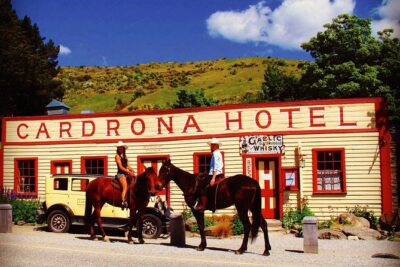 ★ 5.0Cardrona High Country Pub Trail Horse Riding Trek (Intermediate+)From $365261 reviews
 ★ 5.0Cardrona Valley Mountain Quad Experience from WanakaFrom $222233 reviews
 ★ 5.0Gold Discovery Trail Horse Trek Cardrona – Most popular!From $309151 reviews
 ★ 4.5Queenstown Tandem Paragliding from Coronet PeakFrom $222127 reviews
 ★ 4.9Remarkables Helicopter Flight & Alpine LandingFrom $14991 reviews
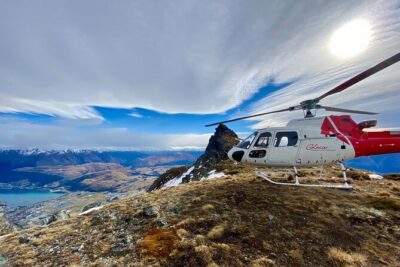 ★ 5.025-Minute Remarkables Helicopter Tour from QueenstownFrom $17989 reviews
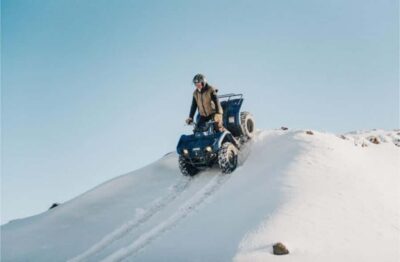 ★ 4.9Cardrona Valley: Mountain Quad Bike ExperienceFrom $17830 reviews
 ★ 4.8Tandem Paraglide – Winter – Coronet Peak 5400ftFrom $21616 reviews