
REVIEW · LAKE TEKAPO AND LAKE PUKAKI TRIPS
Lake Tekapo: Alpine Stargazing Experience with a Guide
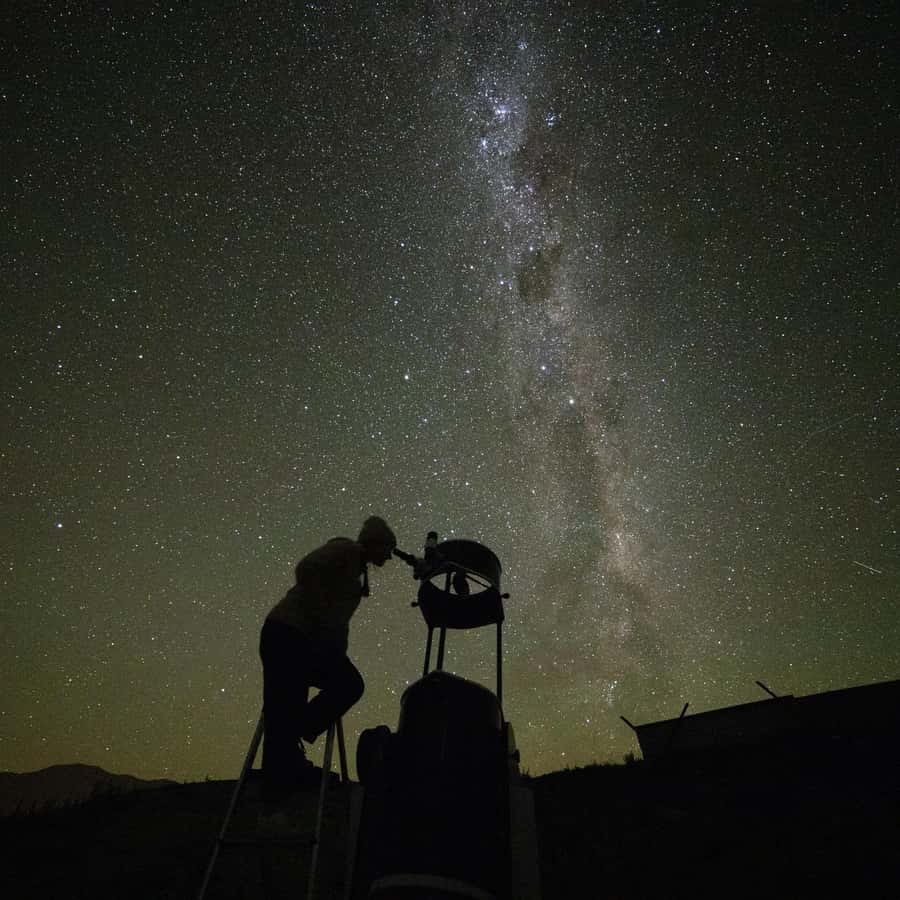
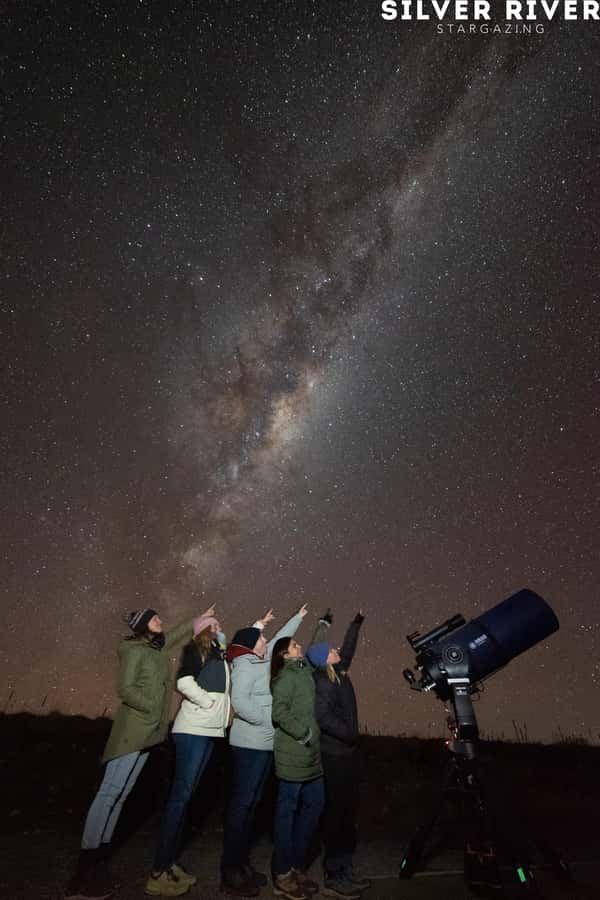
The night sky here feels close enough to touch. This guided Lake Tekapo stargazing experience takes you from Silver River Stargazing out to a private 50,000-acre farm inside the Aoraki Mackenzie International Dark Sky Reserve.
I love the 14-inch telescope time, because it turns naked-eye wonder into real targets you can actually see. I also like the small group setup, capped at 10 people, which keeps the guide focused on you and your questions.
The only real drawback is weather. If clouds or wind roll in, you may still get a great sky show, but views through the telescope can be reduced.
Key things to know before you look up
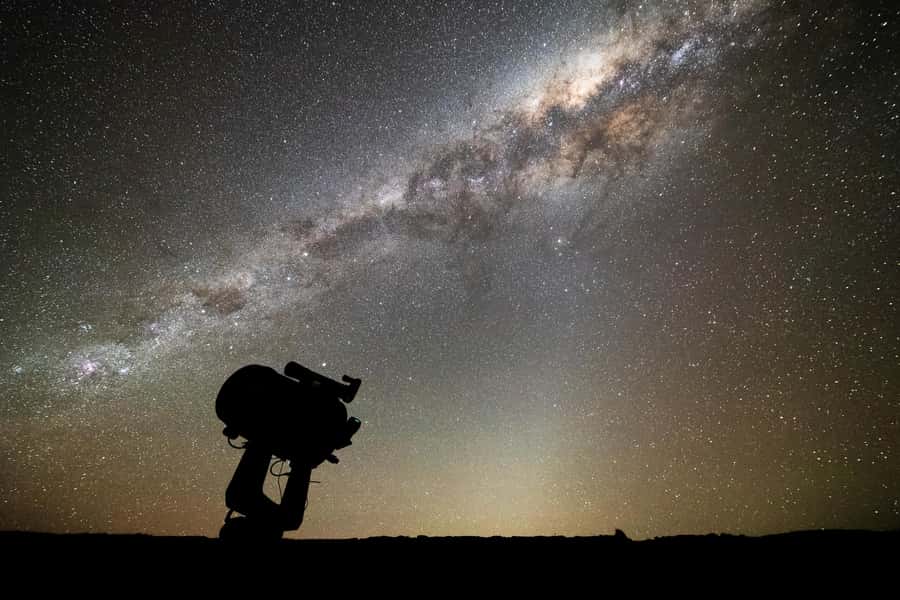
- Aoraki Mackenzie Dark Sky Reserve, far from city glow for better contrast and more stars
- 14-inch modern telescopes plus astro-lasers to help you find what the guide points out
- Private 50,000-acre farmland for 360 degree sky views with minimal stray light
- Small groups (up to 10 people) so you get time at the telescope, not just a quick look
- A complimentary digital photo link taken at the end, usually within 48 hours (weather dependent)
Why Tekapo’s Dark Sky Reserve is the star of the show
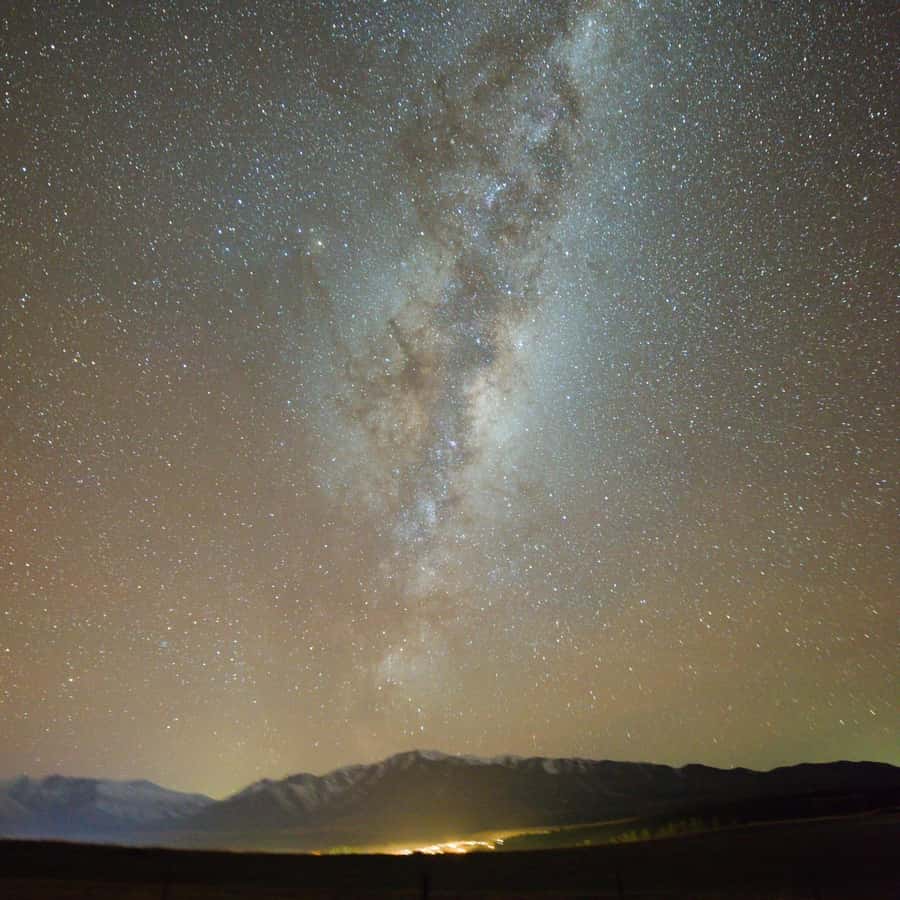
Lake Tekapo is famous for one reason: darkness that stays dark. This tour is based in the Aoraki Mackenzie International Dark Sky Reserve, and that matters because stargazing is mostly about contrast. The darker the sky, the more you’ll see, and the less you’ll feel like you’re fighting glare.
I like that the experience is aimed at the whole sky, not just a single object. You’re given time to scan with your own eyes first, then you use the telescope when the guide tells you where to look. That step-by-step rhythm helps first-timers and it keeps the night from feeling random.
One more plus is the setting. Reviews and the tour description both point to uninterrupted views from the farm, with little stray light from Lake Tekapo itself. Translation: you can actually enjoy the Milky Way as more than a vague glow.
Getting to Silver River Stargazing, then out to the farm
You start at Silver River Stargazing at Kiwi Treasure, which is the post office building in Lake Tekapo. If you’re the type who likes things simple at night, this is a good setup: you’re not trying to find a remote gate in the dark.
From there, the tour includes roundtrip transportation to the stargazing site. The transfer portions are short, so you’re not spending most of your paid time riding around. The ride also matters because it puts you quickly into a darker pocket of sky where the reserve rules can do their job.
Once you arrive, you’ll be in the farm area on a private 50,000-acre property. That private setting is part of the value. It gives you room to set up telescopes and chairs and still keep the group calm, spaced, and focused on looking up.
Safety briefing first, then a smooth start to the night
Before you start peering into optics, there’s a short safety briefing, about five minutes. It’s not meant to kill the mood. It’s more like a reset so everyone knows how the session will run and how to move safely in the dark.
This matters because the rest of the experience is about patience and comfort. When the group understands where to stand, how to listen, and when the guide will point things out, you waste less time fumbling and you look longer.
Then you get a brief transfer and arrive back at the stargazing spot, ready for the guided session. That rhythm keeps the night from dragging, especially if you’re traveling with kids or you’re not used to late starts.
The guided hour: astro-lasers, constellations, and real telescope time
The core of the tour is the guided session, about one hour. This is where you go from seeing stars to understanding what you’re seeing.
The guide uses astro-lasers and pointers to make the sky less confusing. It sounds simple, but it changes everything. When someone shows you where a constellation is and how to trace it, you stop guessing. You start following.
Telescope time is a big deal here. The tour uses a 14-inch telescope, and the group cap at 10 people helps prevent the usual problem where the telescope becomes a quick peek. The description explicitly calls out plenty of time on the telescopes and with the guide, and the feedback supports that people are able to look through more than once.
I also like the way many guides treat the session like a mini lesson, not a sales pitch for the equipment. In different groups, names like Tara, Sam, Nicole, Marcus, Keira, Evan, and Estelle show up in reviews, and the consistent theme is clear explanations and helpful pacing. People specifically mention learning constellation facts, star name history, and how to navigate using the Southern Hemisphere sky.
If you’re worried about language, the tour runs in English, and Japanese is also available with the live guide. That flexibility helps if you’re traveling as a mixed-language group.
What you can actually see in Tekapo’s sky
On nights with good conditions, you get the best kind of payoff: the sky looks dramatic even with your eyes first. Several reviews call out seeing the Milky Way in a way that feels startling. That’s the dark sky reserve doing its work.
Then the telescope adds detail. Based on the tour format and what’s repeatedly mentioned, you may see targets like:
- The Moon through the telescope
- Jupiter, including its moons
- Saturn
- Star clusters and other deep-sky objects
One review also mentions a meteor as a highlight. Another mentions clear views even with an almost full moon. The practical takeaway: you’re not betting the whole experience on one perfect night. Even when conditions are less ideal, the guide can still point out plenty of stars and show what the telescope can manage.
Deep-sky observing is also about expectations. A telescope can reveal faint things that your eyes miss, but the sky has to cooperate. If clouds roll in, or if wind shakes the setup or makes it harder to see sharply, views through the scope can be less crisp. Still, you may get a partial experience with stars and the constellation guidance.
The end photo: why it’s included and how to use it
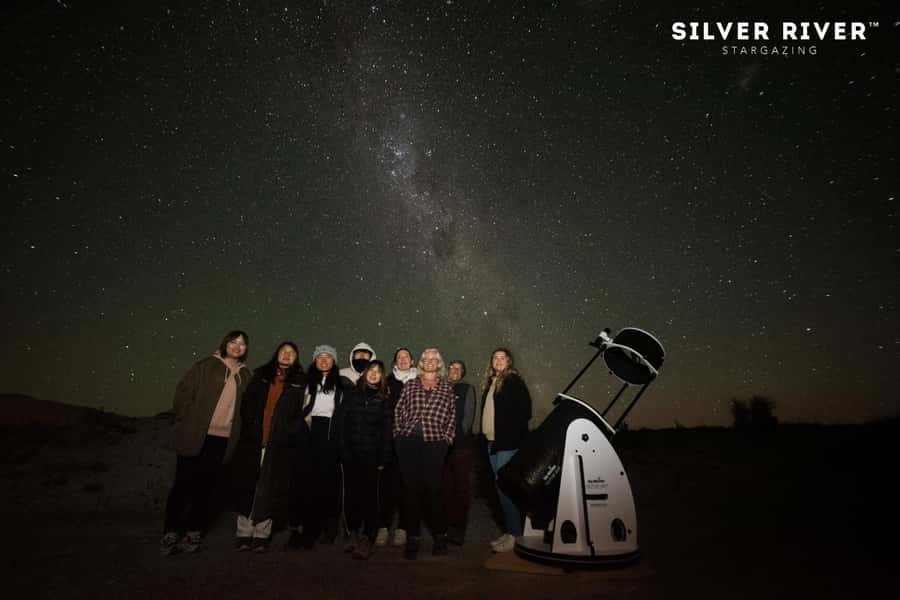
At the end of the tour, you get a group photo taken under the stars, depending on weather. You then receive it via email within 48 hours through a digital link.
I like this touch because it solves a common stargazing problem. When you’re cold and your tripod skills are unknown at best, it’s hard to get a clean photo of your own group against a dark sky. The provided photo becomes a real souvenir, not just another blurry attempt.
If the sky is clear enough for the photo, it often pairs well with what you learned that night. You can look back and remember where you were standing, what you saw through the telescope, and which constellation names your guide used during the session.
For photographers, the tour still has value. One review mentions appreciating the guide’s angles and how the telescope views looked. Even if you don’t shoot astrophotos yourself, it helps to see how the scene is framed for the night-sky look.
Price and time value for a 75-minute night
This tour is $59 per person for 75 minutes. On paper, that might sound short, but stargazing works differently than daytime sightseeing. The session is designed around a tight window when you can actually see well and when everyone can gather, get briefed, transfer, and then focus.
Here’s what you’re paying for that makes the math feel reasonable:
- A guided session where you’re not left to guess constellations
- Transportation from the check-in office to the stargazing site and back
- Warm down jackets to help you last through the cold
- Use of 14-inch telescopes, in a small group that supports actual telescope time
- A complimentary digital photo link after the tour
Also, small-group format has real cost implications. Capped at 10 people, it can’t be mass-market and still provide telescope access. That’s why the price feels more like a ticket to a guided astronomy evening than a basic sightseeing add-on.
If you’re trying to choose between a cheaper option and a guided telescope option, ask yourself what you want most: the pretty sky or the understanding that makes it stick. This is the one that leans toward both.
Cold weather reality: what to wear and what to expect
You’ll be outside at night, so plan for real chill. The good news is warm down jackets are included, and reviews mention parkas or thick warm coats being provided, which helps a lot when you’re standing still for long minutes.
Still, you’ll want to dress in layers. Warm jackets help, but stargazing is slow. Wind can also affect comfort and telescope clarity. One review notes difficulty seeing everything clearly due to wind. Another says views were still possible even under an almost full moon, which suggests the guide can adapt your target list based on conditions.
If you’re traveling with kids, this tour can work well because it’s guided and interactive. Reviews mention guides taking the time to answer questions patiently, and people specifically call it a great family activity when kids can manage staying up late.
For anyone with mobility needs, the tour is listed as wheelchair accessible, and the short transfers help keep the schedule manageable.
Who this tour fits best
This is a strong pick if:
- You’re doing Lake Tekapo for the dark sky and you want the reserve effect, not just a casual look
- You’re a first-time stargazer and you want help finding the Milky Way, planets, and constellations
- You want a small-group evening where the guide can actually talk to you, not just the microphone
- You care about value, since the tour includes transportation, telescope use, jackets, and a photo
It may be less ideal if you hate cold and you need warm indoor time. The experience is built for nighttime viewing, so you’ll be outdoors until the session ends and you return to Silver River Stargazing.
FAQ
FAQ
How long is the Lake Tekapo alpine stargazing experience?
It lasts 75 minutes.
Where do I meet for the tour?
Go to the Silver River Stargazing office in Kiwi Treasure, the post office for Lake Tekapo.
Is transportation included?
Yes. Roundtrip transportation from the check-in office to the stargazing site is included.
What telescopes are provided?
The tour includes the use of 14-inch modern telescopes.
Do I get a photo after the tour?
Yes. The tour includes a complimentary photo taken under the stars, shared via a digital link. It depends on the weather, and you receive it within 48 hours.
What should I bring for the cold?
Warm down jackets are provided, so dress for cold weather anyway and be ready for it to feel chilly while you stand and look up.
What languages are the guides?
The live guide is available in English and Japanese.
Should you book this Lake Tekapo stargazing tour?
If your goal is to see more than just a few bright stars, I think this is an easy yes. The combination of the Aoraki Mackenzie Dark Sky Reserve location, the private farmland setting, and real 14-inch telescope time makes it feel like more than a casual stargazing stroll.
Book it if you want the help of lasers and guidance to actually map the sky. Skip it only if you’re expecting guaranteed telescope views in every weather condition, because night sky sessions always depend on what the atmosphere is doing. For most people, though, even a slightly imperfect sky still beats staring upward with no plan.
More Tour Reviews in Lake Tekapo
- Lake Tekapo: Stargazing Experience
★ 4.9 · 607 reviews - Tekapo Shuttle: Mt Cook Day Tour via Pukaki & Tasman Lake
★ 4.8 · 307 reviews - Chameleon Stargazing Shared Tour
★ 5.0 · 181 reviews - Lake Tekapo: Mountaintop Stargazing at Mount John Summit
★ 4.5 · 176 reviews
When the Sky Clears
- Lake Tekapo: Stargazing Experience
★ 4.9 · 607 reviews - Chameleon Stargazing Shared Tour
★ 5.0 · 181 reviews - Lake Tekapo: Mountaintop Stargazing at Mount John Summit
★ 4.5 · 176 reviews - Mount John Observatory Stargazing Experience, Tekapo
★ 4.5 · 160 reviews
That Mackenzie Blue
- Lake Tekapo: Stargazing Experience
★ 4.9 · 607 reviews - Tekapo Shuttle: Mt Cook Day Tour via Pukaki & Tasman Lake
★ 4.8 · 307 reviews - Lake Tekapo: Mountaintop Stargazing at Mount John Summit
★ 4.5 · 176 reviews - Mount John Observatory Stargazing Experience, Tekapo
★ 4.5 · 160 reviews
Lake Tekapo and Lake Pukaki Trips, side by side.
 ★ 4.9Lake Tekapo: Stargazing ExperienceFrom $71607 reviews
 ★ 4.8Tekapo Shuttle: Mt Cook Day Tour via Pukaki & Tasman LakeFrom $89307 reviews
 ★ 4.5Lake Tekapo: Mountaintop Stargazing at Mount John SummitFrom $130176 reviews
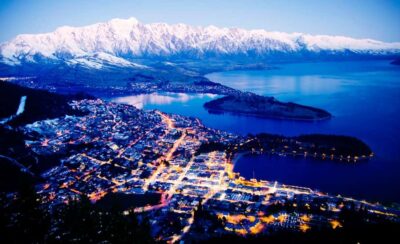 ★ 4.6From Christchurch: Queenstown via Tekapo & Mt Cook Day TripFrom $238167 reviews
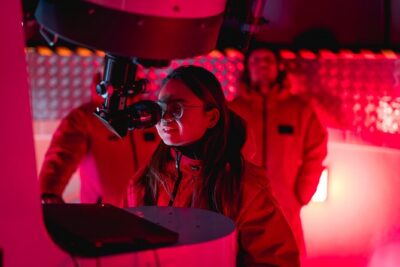 ★ 4.5Mount John Observatory Stargazing Experience, TekapoFrom $139160 reviews
 ★ 4.5Queenstown to Christchurch One-Way Tour via Mt Cook & Lake TekapoFrom $235134 reviews
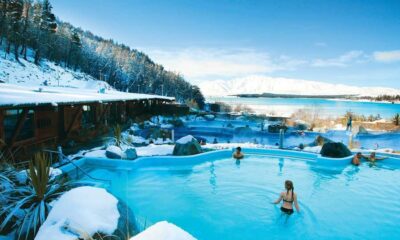 ★ 4.2Lake Tekapo: Single Day Multiple Entry Pass for Hot PoolsFrom $23129 reviews
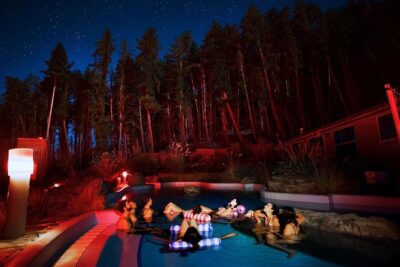 ★ 4.5Tekapo Star Gazing Tour – Soak in the StarsFrom $117109 reviews