
REVIEW · LAKE TEKAPO AND LAKE PUKAKI TRIPS
Mount John Observatory Stargazing Experience, Tekapo
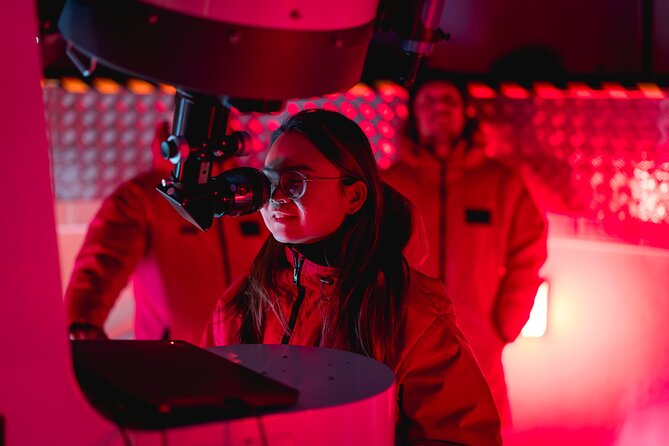
Southern stars are the real star of this trip. This Mount John Observatory experience takes you high above Tekapo in New Zealand’s International Dark Sky Reserve, where the Milky Way actually shows up in a way you cannot fake. I love the combination of naked-eye teaching plus telescope time, so you’re not just looking, you’re learning what you’re seeing.
My second favorite part is how the guides bring the sky down to Earth. You might even hear stories and targets explained by names like Kieran, Alice, or Olive, and the tone is energetic but not pushy, which makes it easy even if you’re new to astronomy.
One thing to factor in: this is weather-dependent. If cloud cover rolls in, the sky time may get cut and you could be offered an indoor alternative instead, which will not feel the same as standing under a clear Southern Hemisphere sky.
Key things to know before you go

- Aoraki McKenzie Dark Sky Reserve setting: you’re viewing from high above Tekapo in an area designed to protect night skies
- Naked-eye first, then telescopes: laser pointers help you track constellations before you switch to observatory equipment
- Summit access: you get exclusive access to the Mount John Observatory summit area
- Small groups: capped at about 22 per trip time, with a stated maximum of 30 travelers for the activity
- Extreme cold gear provided: jackets are included, but layers still matter
- Language requirements: the tour language matters for health and safety, and you must be able to speak it
Why Mount John Observatory makes Tekapo stargazing worth the money

Lake Tekapo is famous for night skies, but Mount John is the reason this works so well. You’re on a 1,029 meter peak at the heart of the Aoraki McKenzie International Dark Sky Reserve, including a Gold tier area. That matters because the sky is protected from light pollution, so stars look sharper and fainter objects actually become visible.
This is also a real research setting, run through the University of Canterbury Mt. John Observatory partnership. In plain terms: you’re not watching a generic stargazing show. You’re getting an on-the-night education from people who spend their days studying the Southern sky, and that difference shows when you learn what to look for.
Price and what you get for $139.39 per person
At $139.39 per person, you’re paying for four big things: guided astronomy, summit access, high-quality viewing equipment, and transportation back to Tekapo. You’re not just renting darkness for an hour and a half. You’re paying to use a facility and benefit from expert interpretation.
Here’s the value breakdown in a way that matters to your plans:
- You get return transport from Tekapo township included, so you’re not solving logistics in the dark.
- You get extreme cold weather jackets provided, which removes one of the biggest barriers for first-time stargazers.
- You get real guided viewing using laser pointers and advanced observatory gear, not just a lecture.
If you’re the type who loves photos, the guidance also helps you aim and focus without wasting the whole night guessing. If you’re mainly chasing the Milky Way and Southern constellations, the teaching helps you leave with a mental map, not just a few blurry shots.
Stop 1 at Dark Sky Project: check-in and the ride up
Your evening starts with check-in in Lake Tekapo with the Dark Sky Project team. Then you’re transported up to Mount John’s summit, about 1,029 meters above Tekapo. That ride is short, around 15 minutes, but it’s not filler time. It’s part of the experience because altitude plus a darker ridge changes what you can see fast.
This stop also sets expectations. You’ll get oriented before you step into real night conditions, and you’ll learn how the viewing works once you’re up top. That matters because you’ll be standing in near-total darkness with your group and guide, so knowing the basic rules before you arrive keeps things smooth.
Stop 2 on the University of Canterbury summit: guided sky time that feels practical

Once you’re up at the Mount John Observatory summit, your main session runs about 1 hour 30 minutes. You’re inside an area tied to the University of Canterbury research center, and the guides use a mix of techniques that work well for beginners and repeat stargazers.
What you can expect to do:
- Naked-eye stargazing with guides pointing out key landmarks in the sky
- Laser pointers so you can track objects while they explain what they are
- Telescope viewing using advanced observatory equipment
The best part is how the guides help you connect the dots. Instead of listing stars like a poster, you learn to identify things such as the Southern Cross and even the trickier idea of the true southern star versus the fake southern star. That kind of lesson turns the night from random “spotting” into real recognition.
You might also get a tour through different types of targets. In many evenings you can expect familiar highlights like planets and clusters, plus deeper objects that show why the Southern sky is so special. One reason people love this is that you get a double education, first with your own eyes, then with optics that reveal details you would not guess exist.
A note on clouds and cameras
This is where reality shows up. Clouds can change what you see, and the guides may adjust how they run the night as conditions shift. One practical heads-up from past experiences: when conditions include wind or cloud shifts, you may have limits on what your camera can do. You’ll also be in darkness, so expect a strict no-white-light approach, meaning you will not be wandering around shining torches.
How to time your night: darkness, weather, and moonlight reality

This experience runs only when conditions allow viewing. Weather is the main factor. If the sky is blocked, you may be offered an alternate indoor experience or you may be able to choose a different date, depending on what options are provided when weather cancels.
So how do you maximize your odds once you book?
- Pick a night with the best forecast you can find for Tekapo and the Mount John area.
- If you’re flexible, aim for clear evenings rather than forcing a bad-weather date.
- If you’re chasing the Milky Way, you may want to avoid nights when the moon is bright, since that reduces contrast.
You also want to plan for how the night feels. Even in summer, mountaintop stargazing can get cold quickly. Freezing air and wind change everything, from how fast you feel your fingers to how quickly your attention slips. The good news is you’ll get jackets.
What to wear: layers, darkness rules, and staying steady in the cold

The tour provides extreme cold weather jackets, which is a lifesaver when you arrive underprepared. Still, don’t treat that as your whole plan. Wear warm layers underneath so you can adjust when you move, because the ride up and the slow standing around can feel very different.
A few comfort tips that make a real difference:
- Wear gloves you can actually move in, not just bulky winter mittens.
- Use warm socks and closed shoes with grip, since you’ll likely be walking around the viewing area in darkness.
- Stay close to your guide and group. It’s not a “wander wherever you want” night.
- Keep light discipline. White lights are not part of the deal during stargazing.
If you’re the type who hates being cold, this is still worth considering because the tour gives you the right outerwear and you’ll be busy enough to stay mentally warm. But you should show up ready.
Group size, pacing, and who this suits best

This is a small-group experience, with a maximum of about 22 per trip time. That matters because you get more attention and you’re less likely to spend the whole night blocked by other bodies.
It also means the guide has to keep everyone together, especially when they’re pointing things out. If you tend to drift, make an effort to stay in formation. The “no white light” darkness rule means your group’s coordination is part of the comfort level.
Best fit
You’ll likely enjoy this most if you:
- Want a guided experience rather than a self-led star hunt
- Have only a passing interest in astronomy but want real identification tips
- Like learning from expert storytelling plus hands-on telescope time
Not ideal for everyone
It’s not recommended for travelers with mobility issues. You should also bring an adult if you’re traveling with children, since children must be accompanied by an adult.
Also, the language requirement is real. You’re required to speak the language of the tour for health and safety, and if you cannot, you will not be allowed to join. The guides offer English and Mandarin, but you still need to match the tour language.
The small touches that make the experience feel smooth

A few details make the night run better than you might expect:
- You get a mobile ticket, which reduces last-minute hassle.
- You’re not responsible for hotel pickup or drop-off. The tour includes return transport from Tekapo township, so you can simply plan how to get to the check-in point.
- The summit session is structured, around 1 hour 30 minutes, so you are not waiting forever once you get up there.
And if you’re going with friends, this is the kind of activity that gives you shared moments fast. In a short time you can go from not knowing what you’re seeing to confidently pointing out something like the Southern Cross. That shared “I got it” feeling is why this keeps getting booked.
Should you book this Mount John Observatory stargazing experience?
I think it’s an easy yes if you want real star identification, telescope viewing, and a guided evening that works for beginners. The setting is excellent, the guides handle the night in a way that makes sense, and the combination of naked-eye teaching plus observatory equipment is what you’re really paying for.
I’d hesitate only if you know you can’t handle cold and darkness, or if you have mobility constraints. And be honest with yourself about weather: clouds can be the spoiler. If you’re flexible with dates, that helps. If you’re arriving hoping for a guaranteed Milky Way spectacle, that guarantee does not exist for any stargazing tour.
If your goal is to leave Tekapo with a deeper connection to the Southern sky, this is one of the best ways to do it.
FAQ
How long is the Mount John Observatory stargazing experience?
It runs for about 1 hour 45 minutes total, including transport time and the summit stargazing session.
Where do I check in before heading to Mount John?
You check in with the Dark Sky Project team in Lake Tekapo.
Is transport from Tekapo included?
Yes, return transport from Tekapo township is included. Hotel pickup and drop-off are not included.
What is included in the tour price?
The tour includes exclusive access to the Mount John Observatory summit, expert astronomy guides, guided naked-eye stargazing with laser pointers, telescope viewing through advanced observatory equipment, return transport from Tekapo township, and extreme cold weather jackets.
Are meals included?
No, meals and snacks are not included.
What language are the guides?
Guides are available in English and Mandarin, and you are required to speak the language of the tour for health and safety reasons.
How large are the groups?
The experience has a maximum of 22 people per trip time, and the activity has a stated maximum of 30 travelers.
What happens if the weather is bad?
This experience requires good weather. If it is canceled due to poor weather, you may be offered an alternate indoor experience, and options like a different date or a full refund may be available.
More Tour Reviews in Lake Tekapo
- Lake Tekapo: Alpine Stargazing Experience with a Guide
★ 4.5 · 626 reviews - Lake Tekapo: Stargazing Experience
★ 4.9 · 607 reviews - Tekapo Shuttle: Mt Cook Day Tour via Pukaki & Tasman Lake
★ 4.8 · 307 reviews - Chameleon Stargazing Shared Tour
★ 5.0 · 181 reviews
When the Sky Clears
- Lake Tekapo: Alpine Stargazing Experience with a Guide
★ 4.5 · 626 reviews - Lake Tekapo: Stargazing Experience
★ 4.9 · 607 reviews - Chameleon Stargazing Shared Tour
★ 5.0 · 181 reviews - Lake Tekapo: Mountaintop Stargazing at Mount John Summit
★ 4.5 · 176 reviews
That Mackenzie Blue
- Lake Tekapo: Alpine Stargazing Experience with a Guide
★ 4.5 · 626 reviews - Lake Tekapo: Stargazing Experience
★ 4.9 · 607 reviews - Tekapo Shuttle: Mt Cook Day Tour via Pukaki & Tasman Lake
★ 4.8 · 307 reviews - Lake Tekapo: Mountaintop Stargazing at Mount John Summit
★ 4.5 · 176 reviews
Lake Tekapo and Lake Pukaki Trips, side by side.
 ★ 4.5Lake Tekapo: Alpine Stargazing Experience with a GuideFrom $59626 reviews
 ★ 4.9Lake Tekapo: Stargazing ExperienceFrom $71607 reviews
 ★ 4.8Tekapo Shuttle: Mt Cook Day Tour via Pukaki & Tasman LakeFrom $89307 reviews
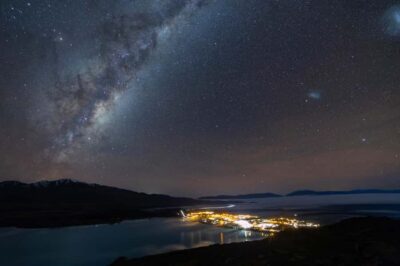 ★ 4.5Lake Tekapo: Mountaintop Stargazing at Mount John SummitFrom $130176 reviews
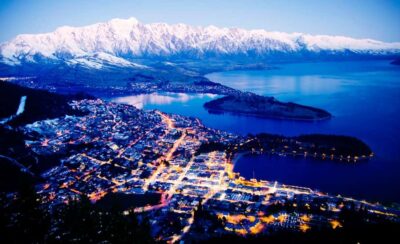 ★ 4.6From Christchurch: Queenstown via Tekapo & Mt Cook Day TripFrom $238167 reviews
 ★ 4.5Queenstown to Christchurch One-Way Tour via Mt Cook & Lake TekapoFrom $235134 reviews
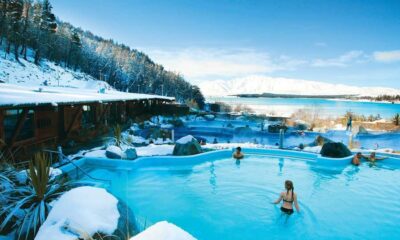 ★ 4.2Lake Tekapo: Single Day Multiple Entry Pass for Hot PoolsFrom $23129 reviews
 ★ 4.5Tekapo Star Gazing Tour – Soak in the StarsFrom $117109 reviews