

REVIEW · MOUNT COOK ALPINE DAY TRIPS
Mount Cook: Mountains High 40-Minute Helicopter Flight
Glacier snow under your boots. This Mount Cook helicopter ride gives you real up-close ice views, plus a pilot who explains what you’re seeing as you fly.
I love the snow landing on the Tasman Glacier, because stepping out there turns a sightseeing flight into something unforgettable. I also like the small group setup and the open cabin views, especially for getting a clear look at Aoraki/Mt. Cook. One thing to consider: the snow landing depends on conditions, so you should be ready for possible changes.
Key things to notice

- Tasman Glacier snow landing: included in the plan, but not always guaranteed in the current conditions
- Hochstetter Icefall in the flight path: you get a close look at a dramatic section of the glacier system
- Aoraki/Mt. Cook from above: you see New Zealand’s tallest peak with big, clear scale
- Burnett Mountains to Mackenzie Basin: you cover both high-alpine and wide-open terrain in one go
- Up to six passengers: open cabin viewing, with pilot commentary during the flight
Why this 40-minute Mount Cook helicopter flight feels different

A normal drive to a viewpoint gives you distance. A helicopter gives you angles, scale, and that wow moment in real time. In about 40 minutes, you go from Aoraki/Mt. Cook area glaciers to the wider Mackenzie Basin, which is a lot of variety for one ticket.
The big win is the snow landing on the Tasman Glacier. It’s one thing to look at ice in photos. It’s another to stand on cold snow right where the ice system looks endless from above. You also get a pilot doing informative commentary from the cockpit, so the scenery comes with meaning, not just views.
The second reason I’m into this style of tour is how efficiently it uses your time. You don’t spend hours changing locations. You take off near Mount Cook, fly a clear loop, land on the glacier, then return, all while the Southern Alps keep unfolding below you.
Getting to Glentanner Park and the Helicopter Line base
You’ll start and end at The Helicopter Line at Glentanner Park, on State Highway 80 (the meeting point near Mount Cook village). That matters because it keeps the experience simple: one base to find, one ride to take, then you’re back where you started.
Plan for a little extra buffer for cold weather and waiting times at altitude. The area around Mount Cook can switch from calm to brisk fast, even when the day looks fine from town. Wear layers and keep your hands warm, because even short exposure can feel longer in the mountains.
If you’re staying in Queenstown or elsewhere, this is one of those tours where it’s smart to treat weather as part of your schedule, not an afterthought. A clear day can make the views amazing. Poor conditions can mean you reschedule.
Inside the helicopter: open cabin views and headset reality

This is a small craft, with room for up to six passengers. The cabin is open-plan, so you tend to get better viewing than you would in a more enclosed setup. That matters a lot for photography, because you’re not fighting awkward window angles for the whole flight.
The pilot guides you in the air, and the plan includes onboard commentary. A heads-up from past experiences: headset quality and audio clarity can vary between passengers. If you’re the type who really wants to catch every detail, arrive early, make sure your headset fit is comfortable, and flag any issues right away so staff can help.
One more comfort note: cold is real here. Even with a short flight, you’ll feel it when you’re dressed for warmth on the ground but exposed at glacier height. The tour recommends warm clothing and suitable footwear, and I’d take that seriously.
Stop 1: Past Hochstetter Icefall and into Tasman Glacier country

Your route starts with views over the ice and alpine features around Aoraki/Mt. Cook. Early on, you fly past the Hochstetter Icefall, a striking section of the glacier system where the ice looks like it’s breaking and flowing in a way you don’t fully grasp from viewpoints.
Then you move toward the Tasman Glacier. The helicopter hovers over the huge ice fields, and that’s when the scale finally lands. From ground level, glaciers can look like a static thing. From the air, they look alive, moving and reshaping the terrain.
This portion is also where your pilot’s commentary helps. With the commentary, you’re not just naming peaks. You’re learning how glaciers carve paths, how ice flows, and why certain areas look fractured or smoother from above. If you happen to fly with a pilot like Gillie, Richard, or Marcus, that storytelling style shows up in a practical way, so you can connect what you see to what’s happening in the landscape.
The snow landing on the glacier: the moment people remember

The tour includes a snow landing on top of the Tasman Glacier, with a landing time of about 5 to 10 minutes. You step out into cold snow and get panoramic views of Aoraki/Mt. Cook up close, with the glacier framing the mountain like a natural wall.
This is the part that turns the trip into a memory, not just a photo set. Standing on the snow gives you a sense of how massive this ice system is, and it changes how the mountain feels. Aoraki/Mt. Cook towers more than 12,000 feet above sea level, and from a glacier landing, the height becomes instantly real.
The main consideration here is flexibility. A snow landing is part of the experience plan, but it can’t be guaranteed every day. Conditions, recent snowfall, and seasonal factors can affect whether a safe, suitable landing site is available. If you’re booking with kids, or you’re counting on the landing as the one must-do, it’s worth asking what the plan will be if conditions force changes.
Also note that landing specifics can shift. On at least one prior occasion, strong winds led to a modified landing on a field of ice rather than a glacier landing. So keep an open mind: the thrill stays, but the exact surface under your boots might differ.
Stop 2: Burnett Mountains, then the wide-open Mackenzie Basin
After the landing, you return to flight, and the scenery changes again. The route takes you toward the Burnett Mountains, then over the vast Mackenzie Basin below. From the air, you see how the mountains give way to wide country, with water running through the valleys and heading toward forested areas on the West Coast.
This part of the itinerary is great if you like geography, not just thrills. You can look down and piece together how the Southern Alps influence climate, where water collects, and why some areas look drier or more open than others. It’s one of the few times in New Zealand when you can watch the terrain change rapidly in a single viewpoint.
Your pilot’s commentary continues here, tying landmarks to the bigger picture. That’s where the flight feels like more than sightseeing. You start to see patterns, like how rugged ridges shape the basin and why certain areas look more broken or more smooth from above.
How long it really takes, and where the time goes
The full flight time is listed as about 40 minutes. Within that, the snow landing itself is typically around 5 to 10 minutes. So most of your time is actually flying, with the landing as a shorter, high-impact break from your seats.
That timing matters if you’re trying to fit the tour into a tight travel day. You can usually build a plan around it, but keep a bit of breathing room in case weather causes delays or rescheduling. This is a weather-dependent activity, and the company can’t fly safely when conditions are wrong.
If you get a clear day, the payoff is huge. Past experiences highlight that visibility makes a big difference, because you can see major peaks and glacier systems more distinctly when the sky is crisp.
Price and value: what $416.90 is buying
At $416.90 per person, this isn’t a budget activity. You’re paying for three things that are hard to replicate with ground travel: time efficiency, access, and altitude views.
You’re getting a helicopter flight from the Mount Cook area, including the snow landing. That access is the expensive part. Most glaciers require hiking or long drives to see from a distance, and you still won’t step onto the ice.
You’re also getting a high value for the “where does that money go” question. In this case, it goes into aircraft operations in a demanding alpine environment, plus a trained pilot providing guidance and commentary throughout. When the weather cooperates, it feels like you’re buying an aircraft ticket and a once-in-a-lifetime vantage point.
What could change your value calculation? If the snow landing is replaced or modified due to conditions, the tour can feel less like the exact product you expected. That’s not unique to this operator, but it’s worth knowing before you commit. If you book, treat the flight and glacier area views as the core value, and view the landing as the bonus when conditions allow.
Weather, rescheduling, and why “flexible days” pay off
This trip requires good weather. That’s not a vague warning, it’s the heart of the deal. Helicopters can be grounded when cloud cover, wind, or visibility makes safe flying difficult, especially in glacier country.
The good news is that when a weather window opens, the payoff is immediate. Clear visibility can sharpen all the key features, from the glacier system to Aoraki/Mt. Cook’s outline. If you’re staying nearby, you’re in a better position to jump on a slot when the weather is right.
Also, be prepared for communication hiccups during weather shifts. Some past experiences included rescheduling, and one person felt the updates weren’t as clear as they wanted. So I recommend you stay close to your phone and check in at the base if plans change.
Who should book, and who should think twice
I think this tour suits you if you want a big nature hit without spending half your vacation driving and hiking. It’s a strong choice for couples, honeymooners, and anyone who enjoys aerial perspectives and wants to understand the alpine region, not just see it.
It also fits people who love short, high-intensity experiences. Forty minutes flies by fast when the scenery is this dramatic.
A key limitation is the total weight per passenger of 331 lbs. If you’re planning for someone near the limit, confirm details with the operator before you book.
Children must be accompanied by an adult, and this is a cold-weather experience, so plan for warm layers. If you want maximum comfort, pay attention to how seats work. There’s some mention that seating can be rotated after the snow landing to allow different passengers to sit up front, but the fair rotation depends on everyone following the crew instructions. If you care about front-seat views, ask the team how they handle rotation and where you should sit before the landing.
Tips that make your photos and comfort better
You’ll get better results if you dress like you’re going to be outside for longer than you think. The tour recommends warm clothing and suitable footwear, and I’d take it a step further: bring gloves that work for phone cameras, and wear a hat that covers your ears.
For photos, aim to shoot early while the helicopter stabilizes over ice. You’ll often get clean sightlines at the start of the route and while hovering near landing areas. On glacier landings, you may also get a short window of calmer light, so be ready when you step out.
If your main goal is commentary, test your headset fit right away. If audio clarity is poor, mention it at the base before you take off, not after you’re already airborne.
Should you book this Mount Cook helicopter flight?
Book it if you’re looking for the classic Mount Cook experience with a real alpine payoff: glacier views, Aoraki/Mt. Cook scale, and a snow landing option that turns the flight into a true memory.
Don’t book it if you’re the type who needs every minute to match a single script. Snow landing conditions can change, and audio through headsets can be uneven. If those two points would ruin the day for you, you might prefer a different tour style that doesn’t depend so heavily on weather and landing conditions.
If you can be flexible and you want maximum scenery per minute, this is one of the most efficient ways to see the Southern Alps up close from above.
FAQ
Where does the tour start and end?
The tour starts and ends at The Helicopter Line at Glentanner Park, on State Highway 80, Glentanner 7999, New Zealand.
How long is the helicopter flight?
The flight duration is approximately 40 minutes, and the snow landing time is about 5 to 10 minutes.
Is the snow landing on Tasman Glacier guaranteed?
The experience includes a snow landing, but the operator notes that snow landings can depend on current climate and seasonality, so you should plan for possible changes.
What will we see during the flight?
You’ll fly past the Hochstetter Icefall, enjoy views of Aoraki/Mt. Cook from the Tasman Glacier area, and then continue over the Burnett Mountains and the Mackenzie Basin.
How many passengers are in the helicopter?
The tour has a maximum of 6 travelers.
What should I wear?
Warm clothing and suitable footwear are recommended due to cold temperatures.
Is there a weight limit?
Yes. The total weight per passenger is listed as 331 lbs.
Is free cancellation available?
Yes. You can cancel up to 24 hours in advance for a full refund. If you cancel less than 24 hours before the start time, the amount paid will not be refunded.
More Tour Reviews in Mount Cook
- Mount Cook: Scenic Helicopter Flight with Alpine Landing
★ 4.8 · 442 reviews - Mt Cook Small Group Scenic Day Tour from Queenstown
★ 5.0 · 407 reviews - Mount Cook: Ski Plane and Helicopter Glacier Combo Flight
★ 4.6 · 271 reviews - Mount Cook and The Glaciers 55-Minute Helicopter Flight
★ 4.5 · 133 reviews
Above the Main Divide
- Mount Cook: Scenic Helicopter Flight with Alpine Landing
★ 4.8 · 442 reviews - Mount Cook: Ski Plane and Helicopter Glacier Combo Flight
★ 4.6 · 271 reviews - Mount Cook and The Glaciers 55-Minute Helicopter Flight
★ 4.5 · 133 reviews - Glentanner High Country Heli Hike
★ 5.0 · 52 reviews
Four Hours North to Aoraki
- Mount Cook: Scenic Helicopter Flight with Alpine Landing
★ 4.8 · 442 reviews - Mt Cook Small Group Scenic Day Tour from Queenstown
★ 5.0 · 407 reviews - Mount Cook: Ski Plane and Helicopter Glacier Combo Flight
★ 4.6 · 271 reviews - Mount Cook and The Glaciers 55-Minute Helicopter Flight
★ 4.5 · 133 reviews
Mount Cook Alpine Day Trips, side by side.
 ★ 4.8Mount Cook: Scenic Helicopter Flight with Alpine LandingFrom $226442 reviews
 ★ 5.0Mt Cook Small Group Scenic Day Tour from QueenstownFrom $164407 reviews
 ★ 4.8From Queenstown: Mt Cook & Tasman Glacier Viewpoint Day TourFrom $146329 reviews
 ★ 4.8Tekapo Shuttle: Mt Cook Day Tour via Pukaki & Tasman LakeFrom $89307 reviews
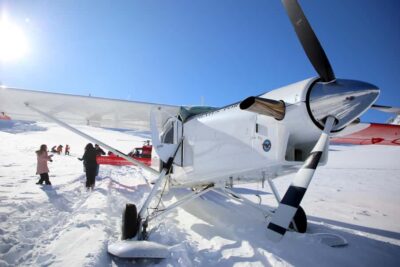 ★ 4.6Mount Cook: Ski Plane and Helicopter Glacier Combo FlightFrom $328271 reviews
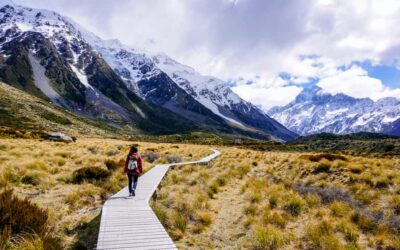 ★ 4.7Small Group Mt Cook Day TourFrom $166262 reviews
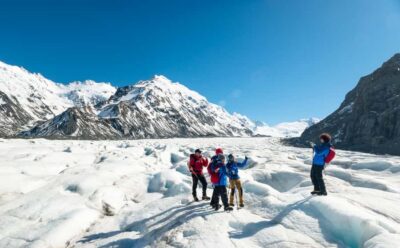 ★ 4.9Mount Cook: 3-Hour Tasman Glacier Helicopter Ride and HikeFrom $537235 reviews
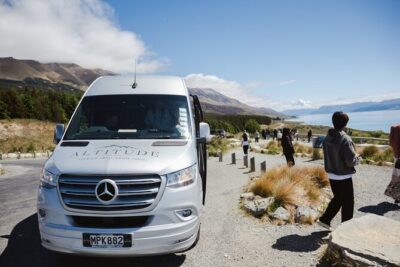 ★ 5.0Full-Day Guided Sightseeing Tour of Mount Cook from QueenstownFrom $173218 reviews
Also filed under