
REVIEW · MOUNT COOK ALPINE DAY TRIPS
Mount Cook: Ski Plane and Helicopter Glacier Combo Flight
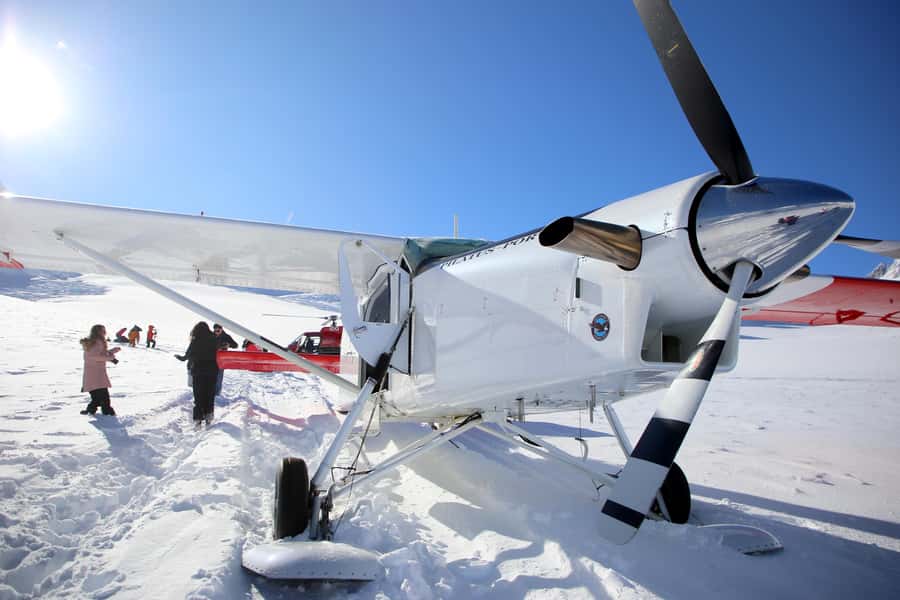
You land on a glacier. That alone makes the Mount Cook Ski Plane and Helicopter Glacier Combo a serious bucket-list kind of day, because you get Aoraki/Mt Cook National Park views from above plus a real glacier snow landing on the Tasman Glacier. The only downside to flag up front is the whole experience is short, so your time on the icefields is limited, even though the views are big.
I like the setup here because it gives you two angles in one trip, first by skiplane through the Tasman Valley, then by helicopter on the way back. You also get real-world alpine landmarks like the Hochstetter Icefall, Tasman Terminal Lake, and Grand Plateau in the route, which helps it feel more than just pretty flying. If weather shifts, you can expect the operator to work hard to keep your flight plan moving, but the exact route and aircraft moments may change.
You meet at Mount Cook Aerodrome and fly out for just 45 minutes, with an English live guide plus English audio. You’ll want closed-toe shoes, and you cannot bring bags into the aircraft, so plan to travel light and let your phone do the documenting.
Key Things That Make This Combo Flight Different

- Two aircraft, one day: skiplane up, helicopter back, so you see the mountains from different aircraft shapes and angles.
- Landing on the Tasman Glacier: you don’t just fly over, you step onto Tasman Glacier snowfields in the Mount Cook area.
- Big alpine landmarks on the flight path: Hochstetter Icefall, blue glacier-lake views, and multiple named spots in the Tasman Valley.
- Time on the ice is part of the experience: the aircraft shuts down on landing, which is a cool way to notice how quiet the glacier feels.
- Smooth operations are part of the reputation: transport quality is rated very highly, with 86% giving a perfect score.
- This is fast and focused: it’s built for 45 minutes, so don’t come expecting a long glacier walk.
The Core Experience: A Glacier Landing Where Scale Hits Hard

The big draw here is the combo formula: you get the drama of alpine flight, then you actually land on snow in the high mountains. The Tasman Glacier is New Zealand’s longest glacier, and that matters because it makes the landing feel less like a photo stop and more like getting a sense of how massive the system is.
When you touch down, the aircraft fully shuts down on landing, which you’ll notice right away. That detail might sound small, but it turns the moment into something you can feel, not just watch. It also helps you take in the view without engine noise covering everything up.
The route is built around the Mount Cook area’s most recognizable visuals: the Tasman Valley, the glacier snow and ice textures, and the way Aoraki/Mt Cook stands above it all. Even if the day starts with clouds, this region tends to show glimpses, and the operators are used to adjusting to what the sky allows.
One more value point I appreciate is that the glacier landing is not a gimmick. Multiple guides and pilots are praised for flying smoothly and keeping things controlled even when conditions are windy, and that matters because you’re landing on snow, not cruising over it from high altitude forever.
From Mount Cook Aerodrome Into the Tasman Valley on the Skiplane
Your day starts at Mount Cook Aerodrome in Aoraki/Mt Cook National Park. From there, the skiplane portion is designed to set the stage fast. You’re not just looking at mountains in general, you’re being routed up the Tasman Valley over signature scenery.
Here’s what the skiplane segment is about:
- Tasman Valley views: you look down at the valley shape and how the glacier system feeds into it.
- Blue glacier-lake moments: the route includes views described as a blue glacier lake, which helps you understand glacier meltwater and ice coloration.
- Hochstetter Icefall: seeing the Icefall from the air gives you a real sense of how ice breaks, shifts, and moves.
- Hitting the Mount Cook skyline: you get views of Aoraki/Mt Cook as you approach the glacier snowfields.
Why that part matters for your day: a skiplane ride can feel more “open” for looking around. You’re not just getting a seat next to a window, you’re getting a moving lookout. If you like geography, this segment helps you connect what you see from the ground to the bigger geometry of the valley and ice.
Also, pilots are often specifically credited for clear communication and smooth handling. Names that show up in the feedback include Ben and Jordan, with people mentioning their calm control in wind and their helpful explanations. So if you want a guided viewpoint and not just random flying, this combo is set up for it.
The Glacier Snow Landing on the Tasman Glacier: What You’ll Do Once You’re There

The main act is the alpine landing on the Tasman Glacier’s upper snowfields. This is where the experience becomes tactile. You’re not merely photographing from the air. You’re stepping out onto snow in a glacial environment that’s covered in ice and snow year-round.
From what you can expect, this part includes:
- Time on the glacier: you take a moment to look around, photograph, and enjoy the alpine feel.
- A quiet cabin moment: because the aircraft shuts down, the environment feels different than normal flight.
- A Mount Cook National Park backdrop: the surrounding mountains frame you from multiple directions, not just one.
You should plan your expectations for comfort and footwear. Closed-toe shoes are required, and knee-deep snow can happen in spots, according to guest accounts. The glacier surfaces can be uneven and cold, so treat it like a real winter environment even in warmer months. Layers help because you might feel temperature shifts between cabin warmth and exposed air outside.
If your priority is photos, this is the piece that pays off. The view from above is spectacular, but the landing is the proof. It’s also the moment that turns the day from scenery viewing into a memory with a location you can point to later.
If weather is less cooperative, you may not land exactly where the ideal route suggests, but the point is still the same: the operator’s goal is to preserve the glacier landing when conditions allow.
Switching Aircraft: How the Helicopter Changes Your View on the Way Back

After the skiplane landing segment and your time on the snowfields, you swap aircraft. That means the return ride is in a helicopter, which changes both the feel and the viewing experience.
Helicopters are usually more flexible on sightlines. In practice, that can mean:
- Different framing of Aoraki/Mt Cook as you move away from the glacier and back toward the aerodrome.
- More direct angles toward the peaks and ice textures because you can adjust path and orientation.
- A smoother-feeling ride for some passengers compared to fixed-wing vibrations.
One caution from the comfort side: seating positions can affect views on the helicopter. Some guests report that certain seats can limit what you see outside, especially if you’re toward the rear. It’s not dangerous, just something to be aware of if your whole plan is photo hunting.
On the plus side, pilots in the helicopter portion are often described as friendly and informative. Names that come up include Mark and Greg, both mentioned in terms of safe, steady flying and good communication. If you’re the type who wants your pilot to point out what you’re seeing, this combo tends to deliver.
The Route Highlights You Should Know Before You Go

This flight is short, but it’s not random. The flight path is built around several standout locations around the Tasman Glacier system. Here are the named highlights you should look for through your window and camera view:
- Tasman Terminal Lake: a key reference point in the valley area that helps you read the glacier’s melt and movement.
- Grand Plateau and Plateau Hut: you’ll see these features from the air, which makes them feel more real than a map dot.
- Blue glacier-lake views: color contrast helps you understand why glaciers look so different from one angle to another.
- Hochstetter Icefall: a signature ice feature that looks dramatic from above.
- Full-length Tasman Glacier views: the route includes views across the glacier, so you get a better sense of its span.
Don’t worry about memorizing the geography. The value is that the experience guides you through it in a way that makes your photos more meaningful after the fact.
Price and Value: Does $328 Make Sense for 45 Minutes?

Let’s be honest: $328 per person for a 45-minute aerial experience is a splurge. But the math changes when you look at what’s included in the structure of the day.
You’re paying for:
- Two aircraft types (skiplane plus helicopter).
- A glacier snow landing on the Tasman Glacier, which is the rarest part of any mountain flight.
- Time in a high-alpine environment where you actually step onto the snowfields.
- All taxes and fees, plus free car parking at the airport and free Wi-Fi.
Value is also about opportunity cost. If you’re staying in the Mount Cook area for a short time, this combo delivers the glacier moment without needing a full day trek. And the aircraft swap is not just a marketing trick. It gives you different viewing angles in a compact schedule, which is hard to replicate on your own.
The biggest factor to consider is not the sticker price, it’s your priorities. If you want the easiest possible path to a glacier landing, this is one of the most direct ways to do it. If you’re chasing a long, on-foot glacier walk, this won’t be that day. It’s an aerial experience with a landing, not an all-day hike.
Weather Reality in the Southern Alps (and How to Think About It)

In the Mount Cook region, weather is not a minor detail. It’s the boss. Flights can be adjusted or even canceled because conditions like wind and cloud cover matter for safe alpine aviation and for landing on snowfields.
The practical takeaway: you should mentally budget for the day to be weather-dependent. The good news is that the operator typically tries to reschedule if the weather cancels a booking. Some guests describe rescheduling for the next day or later the same afternoon and then getting clear views and the glacier landing.
You’ll also notice that sometimes routes can shift. In one case, clouds meant a different glacier was flown rather than Tasman. The point here is not to assume you’ll see the exact same named landmarks every single time, but to know the team tries hard to protect the most important part of the experience.
If you’re planning multiple days in Aoraki/Mt Cook National Park, that flexibility is a real advantage. If this is your only day, it’s still worth booking, but treat it like a weather game plan, not a guarantee.
Practical Rules That Affect Your Experience Day

Small rules shape how smooth your flight feels. Here’s what you should plan around based on the tour requirements:
- Bring closed-toe shoes. That’s the baseline.
- No bags on the aircraft. Only phones and cameras are allowed.
- No food or drinks are permitted.
- No selfie sticks, and drones are not allowed.
- Check-in closes 45 minutes prior to departure.
Also, you’ll need to provide passengers’ full names and weights when booking because weight and balance limits apply to all aircraft. That detail matters because it affects scheduling and flight readiness.
What this means for you day-of: travel light. If you’re coming from another activity nearby, plan a quick switch to camera gear and warm layers, then head straight to check-in. Keeping your carry-on simple makes the whole day less stressful.
Who This Glacier Combo Flight Is Best For

This tour is a strong match for people who:
- Want a glacier landing without a full hiking day.
- Like aircraft variety and want different angles on the same mountain region.
- Are short on time around Mount Cook but still want a signature memory.
- Prefer guided commentary, since the experience includes an English live guide and English audio.
It also works well as a special occasion moment. The cabin-to-glacier contrast feels like a major upgrade from simply driving viewpoints. And if you’re traveling with someone who isn’t a big hiker but still wants to see the scale of the glacier, this combo can be a great compromise.
On the flip side, it may not be ideal if you’re extremely budget sensitive, since the price is high for the total time in the air. It may also be less satisfying if your expectation is a longer walk on ice.
Should You Book the Ski Plane and Helicopter Glacier Combo?
If your goal is one thing, see it from the air and step onto the Tasman Glacier snowfields, then yes, I’d book it. The glacier landing, the Aoraki/Mt Cook views, and the fact you fly two aircraft in one day are the reasons the experience holds up under scrutiny.
I’d only pause if you know you hate short, tight tours, or if you’re likely to stress about weather changes. If you can choose travel days with flexibility around Mount Cook, your odds of getting the best possible conditions improve, and the operator is clearly set up to handle rescheduling when weather gets in the way.
In other words, this is a high-impact splurge. For the right kind of traveler, it’s one of the cleanest ways to earn the glacier-landing memory in the Southern Alps.
More Tour Reviews in Mount Cook
- Mount Cook: Scenic Helicopter Flight with Alpine Landing
★ 4.8 · 442 reviews - Mt Cook Small Group Scenic Day Tour from Queenstown
★ 5.0 · 407 reviews - Mount Cook and The Glaciers 55-Minute Helicopter Flight
★ 4.5 · 133 reviews - Mount Cook: Mountains High 40-Minute Helicopter Flight
★ 5.0 · 53 reviews
Above the Main Divide
- Mount Cook: Scenic Helicopter Flight with Alpine Landing
★ 4.8 · 442 reviews - Mount Cook and The Glaciers 55-Minute Helicopter Flight
★ 4.5 · 133 reviews - Mount Cook: Mountains High 40-Minute Helicopter Flight
★ 5.0 · 53 reviews - Glentanner High Country Heli Hike
★ 5.0 · 52 reviews
Four Hours North to Aoraki
- Mount Cook: Scenic Helicopter Flight with Alpine Landing
★ 4.8 · 442 reviews - Mt Cook Small Group Scenic Day Tour from Queenstown
★ 5.0 · 407 reviews - Mount Cook and The Glaciers 55-Minute Helicopter Flight
★ 4.5 · 133 reviews - Mount Cook: Mountains High 40-Minute Helicopter Flight
★ 5.0 · 53 reviews
Mount Cook Alpine Day Trips, side by side.
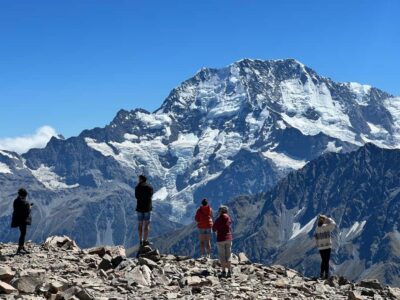 ★ 4.8Mount Cook: Scenic Helicopter Flight with Alpine LandingFrom $226442 reviews
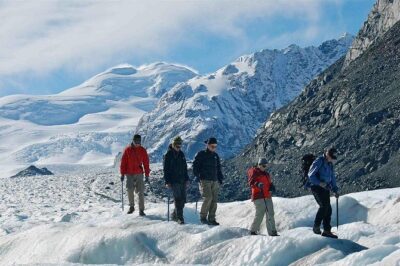 ★ 5.0Mt Cook Small Group Scenic Day Tour from QueenstownFrom $164407 reviews
 ★ 4.8From Queenstown: Mt Cook & Tasman Glacier Viewpoint Day TourFrom $146329 reviews
 ★ 4.8Tekapo Shuttle: Mt Cook Day Tour via Pukaki & Tasman LakeFrom $89307 reviews
 ★ 4.7Small Group Mt Cook Day TourFrom $166262 reviews
 ★ 4.9Mount Cook: 3-Hour Tasman Glacier Helicopter Ride and HikeFrom $537235 reviews
 ★ 4.7Mount Cook: 3 Hour Heli Hike to the Tasman GlacierFrom $564218 reviews
 ★ 5.0Full-Day Guided Sightseeing Tour of Mount Cook from QueenstownFrom $173218 reviews