

REVIEW · MOUNT COOK ALPINE DAY TRIPS
Mount Cook: Tasman Glacier and West Coast Helicopter Flight
Mount Cook by helicopter turns the Southern Alps into something you can see clearly, fast. This is a 50-minute jump from Aoraki/Mount Cook to the West Coast, with big views over the Tasman Glacier Lake and the chance to land on ice. I love how it gives you both the iconic peak and the glacier world in one go, without days of hiking.
My other favorite part is how the crew runs a calm, professional operation even when weather throws curveballs. When skies are cloudy or windy, you can end up waiting for conditions to improve, but the staff I saw described plans clearly and stayed supportive. One drawback to consider is the price for a short flight, plus the fact that departures depend on favourable weather.
Key moments worth getting excited about

- Glacier landing included, so you are not just flying over ice, you are on it
- Tasman Glacier Lake views from above, with the glacier route as your guiding line
- Aoraki/Mount Cook close-up energy, New Zealand’s tallest peak from the air
- Crossing the Southern Alps to the West Coast, a real geographic shift you can see
- Franz Josef and Fox Glaciers on one flight, a rare “compare them from the sky” moment
Aoraki/Mount Cook to the West Coast in one 50-minute helicopter ride

This flight starts at Aoraki/Mount Cook Village and runs about 50 minutes, which is the big advantage. You get to cover ground that would take a lot longer by car and far more time on foot. From the first minutes, the helicopter perspective makes the Alps feel less like distant scenery and more like a map you can follow.
Expect the route to trace glacial territory. You’ll see the Tasman Glacier Lake area, then progress toward Aoraki/Mount Cook, and continue across the Southern Alps toward the West Coast. That cross-over matters because New Zealand’s South Island feels dramatically different on either side of the divide, and you can literally watch that change through the windows.
The tour is run in English with a live guide on board. With a flight like this, the guide’s job is simple and useful: point out what you’re looking at and help you understand what makes each glacier system different. Even better, the small group setup keeps the experience from feeling like a cattle call.
The glacier landing: why this is the moment you remember
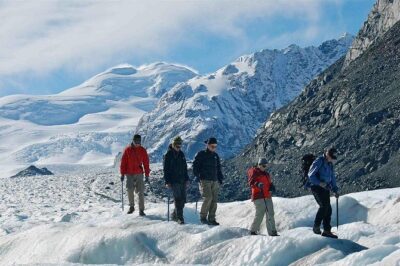
The headline feature here is the included landing on a glacier. Seeing glaciers from the air is impressive, but landing is the part that turns photos into a memory. You’re on a pristine snow-and-ice surface and able to look around at scale that’s hard to grasp from above.
In the accounts I read, the glacier stop is repeatedly described as completely worth it. One family even mentioned their kids got to play in the snow during the stop, which is exactly the kind of “this is why we came” payoff you want from a pricey excursion. It’s also a moment when you can slow down. Flying is quick. Standing on ice makes you feel the place instead of just watching it.
There are a couple practical things to take seriously. You’ll want warm clothing because landing means you are exposed to cold air for longer than you might expect. Comfortable shoes also help because even if it’s brief, you are standing on an uneven, icy surface. Bring sunglasses and sunscreen, too. Bright snow glare can hit hard.
What Aoraki/Mount Cook looks like when it fills the window

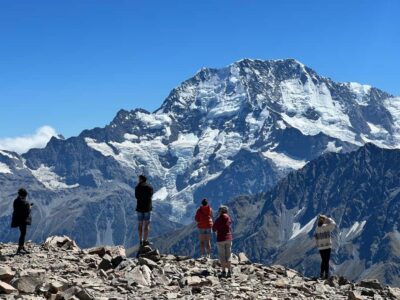
Aoraki/Mount Cook is New Zealand’s tallest peak, and from the air you can see why climbers obsess over it. From the helicopter, the mountain doesn’t feel like a single summit. It reads as a whole system of slopes, ridgelines, and ice-fed patterns.
I like that the flight doesn’t just show the top. It connects Aoraki/Mount Cook to the surrounding glacier geography, including the Tasman side. The result is that you get a clearer sense of how glaciers feed valleys and how the terrain shapes the ice rather than treating the mountain as a postcard object.
Also, this is one of those experiences where the timing matters. If weather is good, you’ll get crisp visibility, and the guide can point out features cleanly. If weather is rough, you might get lower visibility or more time spent waiting before departure. Either way, the key thing is that you still get access to the views without a long trek.
Southern Alps to the West Coast: the scenery shift you can watch happen
One of the coolest aspects is the flight’s “crossing” element. You start in the Aoraki/Mount Cook region, then you traverse the Southern Alps and cross to the West Coast. That’s not just a route description. It’s a change in the type of scenery and the way the mountains and ice systems present themselves.
From a traveler point of view, this is what makes a helicopter tour feel like value. You’re not spending your whole day driving around to chase viewpoints. Instead, you’re moving in straight lines, with the Alps laid out under you like a living atlas.
This also helps you understand the difference between glaciers that share a region but don’t behave the same way. Even if you don’t know the science, the shapes and positions become obvious when you see Franz Josef and Fox Glacier from above and then have a chance to land. It’s easier to tell them apart and notice the terrain around them than it is from one roadside lookout.
Franz Josef and Fox Glaciers, up close without the hiking day
The flight is built for the glacier fan, and it aims at the West Coast’s two most famous names. You’ll witness Franz Josef and Fox Glaciers from the air, then get the ultimate bonus with the glacier landing.
There’s a very real emotional difference between seeing glaciers from a distance and seeing them as close terrain. From the helicopter, you can spot how glacier edges sit against darker rock, and how the flow lines guide your eyes. The landing does more. It gives you a tactile sense of what “glacier” means in the real world.
One person specifically mentioned they were on the fence because of fear of heights, but they ended up really glad they did it. That doesn’t erase the fact that it’s still an aircraft over steep terrain, but it does suggest the ride can feel smooth in operation when conditions are safe. If you’re anxious, do yourself a favor and focus on the comfort details: stay warm, dress for wind, and sit in the position that gives you the best view without forcing you to look straight down constantly.
Meeting at Glacier Helicopters, 81 Bowen Drive, and timing your check-in
This tour departs from Glacier Helicopters Ltd, 81 Bowen Drive, Aoraki/Mount Cook Village. Because the ride is time-based and weather-based, you should treat the meeting point like it’s the start of the day’s work, not just a casual pickup.
Check-in closes 30 minutes before departure, so arrive with buffer time. Also, there’s no hotel pickup and drop-off, and you’ll be responsible for getting yourself to the meeting spot. If you’re staying in the village area, that’s usually manageable, but it still means you should plan transport and parking ahead of time.
What to bring is simple but important for comfort and photos:
- Warm clothing (this is a helicopter ride plus possible waiting outside your craft)
- Comfortable shoes (glacier landing means you’ll be standing)
- Sunglasses and sunscreen (snow glare is real)
- Camera (you’ll want it for Aoraki, the Alps, and the glacier stop)
One small detail I appreciated from the stories: staff were willing to handle moments that mattered, including taking amazing photos for people. So if you’re going as a family or as a couple, it helps to be clear at the start that you want photos during the glacier stop.
Weather rules that affect your day, and how to roll with it
This experience is subject to favourable weather conditions. In practice, that means you might see delays if clouds and wind don’t cooperate. One verified account described cloudy and windy conditions, with about an hour wait until conditions cleared, and they were still able to fly once the window opened.
My advice is to plan your wider itinerary with that in mind. Don’t stack tight connections right after your departure time. If you have flexibility, you’ll enjoy this more. Waiting is frustrating, but it’s also a good sign that safety comes first and operations won’t be rushed.
If weather changes, keep the mood cooperative. You’re dealing with ice and mountain flying, and the most useful thing you can do is be ready, warm, and patient. The crew you’ll meet here tends to be professional and supportive, and one account even credited the pilot with being unusually helpful, including finding a lost phone in the snow.
Small group feel, English guidance, and the pilot touch
The tour is listed as a small group, limited to 1 participant. That suggests you may get a quieter, more personal experience than you’d get with a big group, and you’re less likely to lose track of where the guide is pointing.
You’ll also have a live tour guide in English. In a helicopter, the guide’s commentary is the difference between pretty views and understanding what you’re seeing. When the pilot is friendly and the operation is smooth, it can also reduce stress for nervous flyers. One traveler specifically mentioned pilot Dan by name and highlighted how smoothly he flew, how much he knew about the area, and how he took great photos during the glacier stop.
Even if you don’t care about names, do care about the vibe. The consistent theme is professionalism plus human kindness. That matters because weather delays can create tension, and you want a crew that explains what’s happening instead of leaving you guessing.
Price and value: $499 for a glacier landing and glacier-to-glacier views
Let’s talk money in plain terms. At $499 per person for a 50-minute helicopter flight, this is not a bargain. But it is also not overpriced in the way some tours are, because you are paying for three expensive elements: a helicopter ride, navigation over rugged terrain, and the ability to land on a glacier.
If you’re comparing this to the cost of a full day of car travel plus multiple paid viewpoints, the math can make sense only if you value time and want the “once in a lifetime” factor. This is designed to compress what would otherwise be multiple stops, long drives, and limited views into one experience with a real sense of scale.
It’s also one of the few glacier experiences that mixes both sides of the South Island mountain barrier in a single go. Seeing Aoraki/Mount Cook, then Franz Josef and Fox, then stepping onto ice is not something you can replicate easily with ground transport.
The value part comes down to your priorities. If you want photos, scale, and a story you can’t get by just looking from the roadside, this feels like a strong use of travel budget. If you’re mostly comfortable with scenic viewpoints and saving money for longer stays, you might decide it’s too much for a short flight.
Who should book this, and who should think twice
This tour fits best if you:
- Want a high-impact experience without spending a full day on the ground
- Really want glacier access, especially the landing part
- Enjoy mountain views but don’t want to plan a long hiking route
- Prefer a smaller, more personal experience than big group tours
It may take more thought if you:
- Are highly uncomfortable with heights, since it is a helicopter over dramatic terrain
- Have strict timing plans right after departure, since weather can cause delays
- Are hoping for food included, because food and drinks are not included
One thing I like is that the experience can work for different ages and needs. The glacier landing is short, but it creates a vivid “we were there” moment, and it’s not dependent on fitness the way longer hikes can be.
Should you book Mount Cook, Tasman Glacier, and West Coast by helicopter?
If you’re standing at the crossroads of glaciers, here’s my take: book it if you want the full package. That means Aoraki/Mount Cook views, flight over the Tasman Glacier Lake, crossing the Southern Alps, seeing both Franz Josef and Fox Glaciers, and the big payoff, landing on the ice.
Skip it if you’re price sensitive and mainly satisfied with roadside viewpoints. Also reconsider if your schedule can’t handle a weather-related wait. But if you can be flexible and you want a memorable, time-efficient glacier experience, this is one of the most direct ways to see the South Island’s cold heart from the inside.
FAQ
Where is the meeting point for the helicopter flight?
The meeting point is Glacier Helicopters Ltd, 81 Bowen Drive, Aoraki / Mount Cook Village, New Zealand.
How long is the flight?
The duration is 50 minutes.
What is the price per person?
The price is $499 per person.
What is included in the tour?
It includes a scenic helicopter flight, landing on a glacier, and views of Aoraki / Mount Cook and the Southern Alps.
What is not included?
Food and drinks are not included, and there is no hotel pickup or drop-off.
Do I need to bring anything?
You should bring comfortable shoes, warm clothing, sunglasses, a camera, sunscreen, and comfortable clothes.
Is smoking allowed?
No, smoking is not allowed.
What language is the tour guide?
The live tour guide is in English.
What happens if the weather is not good?
The flight is subject to favourable weather conditions, and check-in closes 30 minutes before departure, so timing can depend on conditions.
How far in advance can I cancel for a refund?
You can cancel up to 24 hours in advance for a full refund.
Are there any group limits?
This is a small group experience with limited to 1 participant.
More Tour Reviews in Aoraki Mount Cook Village
- Mount Cook: 3 Hour Heli Hike to the Tasman Glacier
★ 4.7 · 218 reviews - Mount Cook: Tandem Skydive Experience
★ 4.6 · 66 reviews - Mount Cook: Helicopter Flight with Alpine Landing
★ 4.9 · 36 reviews - Christchurch to Mt Cook via Lake Tekapo (1 way)
★ 5.0 · 15 reviews
Above the Main Divide
- Mount Cook: 3 Hour Heli Hike to the Tasman Glacier
★ 4.7 · 218 reviews - Mount Cook: Helicopter Flight with Alpine Landing
★ 4.9 · 36 reviews - Mount Cook: Tasman Glacier Helicopter Flight
★ 4.3 · 7 reviews
Four Hours North to Aoraki
- Mount Cook: 3 Hour Heli Hike to the Tasman Glacier
★ 4.7 · 218 reviews - Mount Cook: Tandem Skydive Experience
★ 4.6 · 66 reviews - Mount Cook: Helicopter Flight with Alpine Landing
★ 4.9 · 36 reviews - Christchurch to Mt Cook via Lake Tekapo (1 way)
★ 5.0 · 15 reviews
Mount Cook Alpine Day Trips, side by side.
 ★ 4.8Mount Cook: Scenic Helicopter Flight with Alpine LandingFrom $226442 reviews
 ★ 5.0Mt Cook Small Group Scenic Day Tour from QueenstownFrom $164407 reviews
 ★ 4.8From Queenstown: Mt Cook & Tasman Glacier Viewpoint Day TourFrom $146329 reviews
 ★ 4.8Tekapo Shuttle: Mt Cook Day Tour via Pukaki & Tasman LakeFrom $89307 reviews
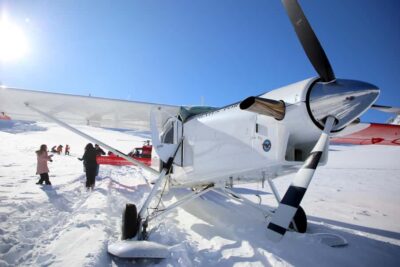 ★ 4.6Mount Cook: Ski Plane and Helicopter Glacier Combo FlightFrom $328271 reviews
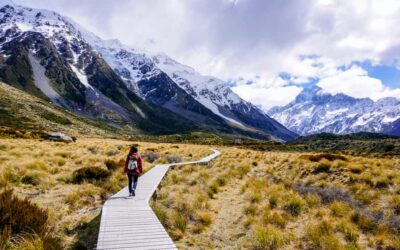 ★ 4.7Small Group Mt Cook Day TourFrom $166262 reviews
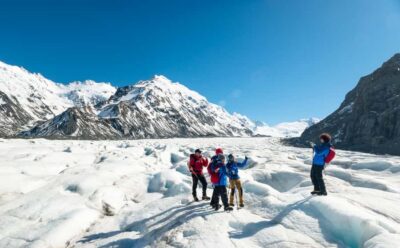 ★ 4.9Mount Cook: 3-Hour Tasman Glacier Helicopter Ride and HikeFrom $537235 reviews
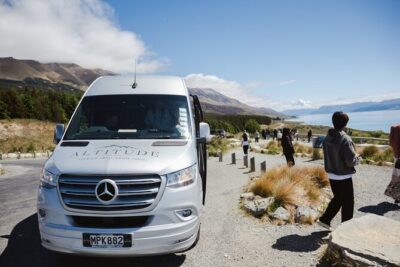 ★ 5.0Full-Day Guided Sightseeing Tour of Mount Cook from QueenstownFrom $173218 reviews