
REVIEW · MOUNT COOK ALPINE DAY TRIPS
Skydive Mt. Cook – 70+ Seconds of Freefall from 16,500ft
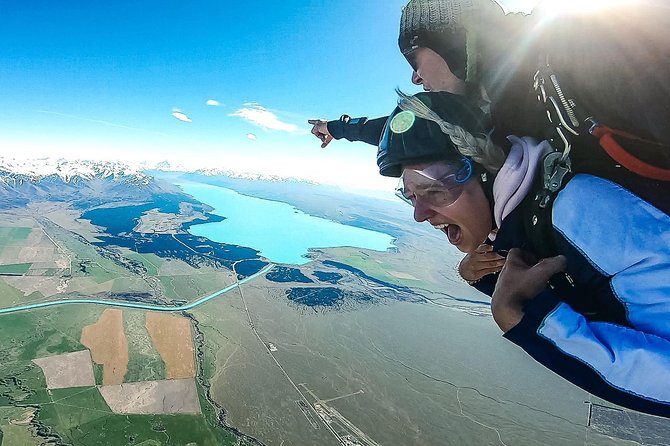
A skydiving view you can’t buy. Skydive Mt Cook in Pukaki puts you over some of South Island’s most dramatic scenery, with Aoraki/Mt Cook National Park, glaciers, and lakes in your field of view. The core experience is a jump from 16,500 ft, with 70+ seconds of freefall built in, and that’s exactly the kind of New Zealand moment you remember for years.
What I like is the human side of it. The crew energy is a big deal here, and the operation runs with a clear focus on keeping you comfortable and smiling. I also appreciate the small group size, with a maximum of 9 travelers, which tends to make the whole day feel less rushed.
One thing to keep in mind is that this experience is weather dependent. If conditions are not right, it can be rescheduled or refunded, so you’ll want some flexibility in your South Island plans.
Key things to know before you go

- 70+ seconds freefall from 16,500 ft: you’re not just getting a quick drop, you get a proper time in the air
- Pukaki location, near Twizel: a practical base for Aoraki/Mt Cook views without needing to stay in the park area
- Small group, max 9 travelers: less waiting, less crowding, more personal attention
- Good-weather requirement: plan around the fact that New Zealand weather can change fast
- $341.08 per person for a full 2 hour experience: pricing tied to altitude and scenery, not just the jump
- Mobile ticket: handy if you prefer having everything on your phone
Why Pukaki and Aoraki/Mt Cook views make this worth the ticket

If you’re going to skydive in New Zealand, this one is aimed at the most iconic backdrop. The jump takes place in Pukaki, and the views are a highlight in their own right: snow-capped peaks, glacier country, and big, open lakes, all tied to Aoraki/Mt Cook National Park. That matters, because the best part of jumping somewhere like this is not only the adrenaline. It’s the way the scenery turns the freefall into something visual, not just physical.
From a practical standpoint, Pukaki is a smart base. It’s part of the wider South Island region around Twizel, so you’re not dealing with the kind of remote logistics that can make a day feel like a marathon. You start and finish at Skydive Mount Cook, 2 Swallow Drive, Pukaki Airport, and that keeps the day straightforward.
Also, this is set up as a true South Island highlight activity. The altitude and the long freefall time are the headline, but the region is part of the product. If you care about doing something that feels unmistakably New Zealand, this one is clearly aiming for that.
16,500 ft and 70+ seconds of freefall, what it means in real life
“70+ seconds” sounds like a number until you remember what seconds feel like at altitude. At 16,500 ft, you’re not just dropping briefly. You’re spending long enough in freefall that you can actually process what’s happening, look out, and feel the difference between the initial acceleration and the sustained fall.
That’s also why this experience is especially appealing if you’ve ever wondered what the difference is between a short skydive and a full-on one. This package is built around a longer freefall segment, and that usually changes the emotional tone. Instead of thinking, wow, I’m here, it becomes more like, oh wow, I’m still here, and I’m actually seeing all of this unfold from the sky.
One more thing: because the freefall time is a stated feature (not a vague promise), you can plan your expectations better. If your travel budget has you nervous about paying for a once-in-a-lifetime thrill, having 70+ seconds of freefall as a clear part of the experience gives you something solid to judge value against.
The 2 hours on the clock, how your day likely flows

The total duration is listed as about 2 hours, which is a good sign if you don’t want your day eaten up. With an experience that includes a flight up to altitude and then the jump, two hours usually means you’re moving efficiently and not stuck in long, unexplained waits.
Here’s the way I’d think about your day timeline, based on the info you’re given:
- You begin at Skydive Mount Cook at Pukaki Airport (2 Swallow Drive).
- You then spend time getting ready for the jump and getting to the aircraft, with the big goal being the 16,500 ft exit point.
- You complete the skydive and return to the same meeting point to finish.
The “ends back at the meeting point” detail is more important than it sounds. It means you’re not committing to a complicated after-activity transfer. Once it’s done, the day can be simple: grab food, head back to your base, and keep your South Island itinerary flexible.
Two hours also matters if you’re the kind of traveler who wants to stack activities. This isn’t a full day expedition, so you can pair it with scenic drives around Lake Pukaki and other nearby sights if your schedule allows.
Crew, small group limits, and why the vibe affects everything

I’ve found that skydiving isn’t only about the jump. It’s about how the minutes leading up to it feel. Here, the operation’s crew energy is one of the most praised parts of the experience, with people described as happy, bubbly, and inspiring. That kind of attitude can seriously change your comfort level when you’re standing next to open air and waiting for your turn.
The small group size also plays into the mood. With a maximum of 9 travelers, you’re less likely to feel like a number. Even if you’re excited, you still want the team to keep things organized, and smaller groups typically make it easier to move through each step without chaos.
One more detail I appreciate: this provider is listed as Inflite Ski Planes Limited. That’s a clear operational name, and it helps you feel like this is a dedicated company running this activity, not a fly-by arrangement.
If you get anxious around routines, this combo of upbeat staff and a limited group size is a big reason the experience can feel more manageable, even if you’re clearly doing something intense.
Price and value: $341.08 for altitude plus a big scenery payoff

Let’s talk money in a way that helps you decide. The price is $341.08 per person, and it’s not the cheapest thrill in New Zealand. So the question is: what are you buying besides the adrenaline?
You’re paying for a package that includes:
- A jump altitude of 16,500 ft
- 70+ seconds of freefall time
- A location choice built around Aoraki/Mt Cook scenery, with glaciers and lakes in view
- A short overall commitment of about 2 hours
- A small group format (max 9 travelers)
That combination matters for value because a skydive isn’t just “a jump,” it’s the whole system required to get you high, keep you safe, and run the day smoothly. Longer freefall time generally costs more because it requires more time in the flight profile and more coordination.
Also, scenery is part of what you’re paying for here. If you’re already spending days around Mt Cook and glacier regions, this is a way to convert ground scenery into airborne memory. For many people, that’s the difference between doing a thrill and doing a story.
So if you’re weighing options, I’d compare not just the price, but the freefall duration and the altitude. This one is clearly advertising that it’s aiming for a longer freefall and the high exit point.
Weather rules, flexibility, and how to protect your plans

This experience requires good weather. That’s not a fine-print detail, it’s the core reality of skydiving. New Zealand can be changeable, and if conditions aren’t suitable, you won’t just be asked to wait indefinitely.
What you can expect is a safety-driven outcome: if it’s canceled due to poor weather, you’ll be offered a different date or a full refund. That means you should book with a plan to stay flexible, at least for a short window.
A practical tip: when you’re building your South Island schedule, try not to lock yourself into only one activity day with no backup. A morning scenic drive plus an afternoon skydive attempt is often a better setup than trying to squeeze this into a strict, no-changes itinerary.
Also, because it needs a minimum number of travelers, there’s a chance of rescheduling if you’re booking solo or on a very quiet travel period. You’re still protected by the option of a different date or a full refund.
Who this is perfect for, and who should think twice

This is a strong fit if you want a classic bucket-list New Zealand moment, with big scenery and a long freefall component. It also fits travelers who want a relatively compact commitment. About 2 hours is manageable, especially if you’re already touring Mt Cook and surrounding areas.
You might feel especially happy about this if you care about:
- Getting real freefall time, not a quick drop
- Seeing glaciers, snow peaks, and lakes from above
- Doing an activity with a supportive crew vibe
- Keeping group size small
It’s also described as suitable for most travelers, and service animals are allowed, which is helpful if you’re traveling with specific needs. It’s near public transportation too, so it’s not just for people with cars.
The main reason to think twice is the weather dependency. If you’re visiting for a short window with zero flexibility, skydiving is always a bit of a gamble in any country. Here, the gamble is managed with a refund or reschedule, but you still need to plan around the possibility of changing dates.
Should you book Skydive Mt Cook from Pukaki?

If you’re chasing a South Island highlight with serious altitude and a long freefall time, I’d book this without overthinking it. The combination of 16,500 ft, 70+ seconds of freefall, and the Aoraki/Mt Cook scenery focus is a strong match for travelers who want their money to buy a real, memorable experience.
You should hold off or plan carefully if your itinerary is rigid. Weather is the deciding factor, and this activity requires good conditions. If you can give it a flexible window and you’re excited by the idea of a long freefall over glacier and peak country, it’s an easy yes.
FAQ
Where does the skydive meet and start?
The experience starts at Skydive Mount Cook, 2 Swallow Drive, Pukaki Airport, Pukaki, Twizel 7999, New Zealand. It ends back at the meeting point.
How long does the experience take?
It lasts about 2 hours.
How long is the freefall?
The freefall is described as 70+ seconds from 16,500 ft.
What does it cost?
The price is $341.08 per person.
What happens if weather is poor?
The experience requires good weather. If it’s canceled due to poor weather, you’ll be offered a different date or a full refund.
What is the cancellation window?
Free cancellation is available up to 24 hours in advance of the experience’s start time for a full refund. Changes made less than 24 hours before the start time aren’t accepted.
More Tour Reviews in Mount Cook
- Mount Cook: Scenic Helicopter Flight with Alpine Landing
★ 4.8 · 442 reviews - Mt Cook Small Group Scenic Day Tour from Queenstown
★ 5.0 · 407 reviews - Mount Cook: Ski Plane and Helicopter Glacier Combo Flight
★ 4.6 · 271 reviews - Mount Cook and The Glaciers 55-Minute Helicopter Flight
★ 4.5 · 133 reviews
Other Ways Down
- Skydive Mt. Cook – 20+ Seconds of Freefall from 10,000ft
★ 5.0 · 5 reviews
Four Hours North to Aoraki
- Mount Cook: Scenic Helicopter Flight with Alpine Landing
★ 4.8 · 442 reviews - Mt Cook Small Group Scenic Day Tour from Queenstown
★ 5.0 · 407 reviews - Mount Cook: Ski Plane and Helicopter Glacier Combo Flight
★ 4.6 · 271 reviews - Mount Cook and The Glaciers 55-Minute Helicopter Flight
★ 4.5 · 133 reviews
Mount Cook Alpine Day Trips, side by side.
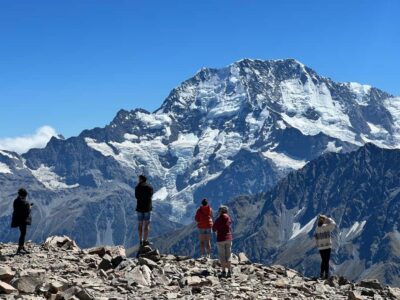 ★ 4.8Mount Cook: Scenic Helicopter Flight with Alpine LandingFrom $226442 reviews
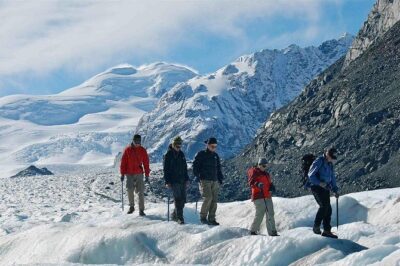 ★ 5.0Mt Cook Small Group Scenic Day Tour from QueenstownFrom $164407 reviews
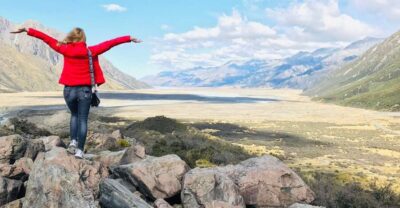 ★ 4.8From Queenstown: Mt Cook & Tasman Glacier Viewpoint Day TourFrom $146329 reviews
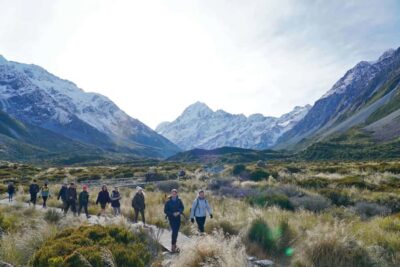 ★ 4.8Tekapo Shuttle: Mt Cook Day Tour via Pukaki & Tasman LakeFrom $89307 reviews
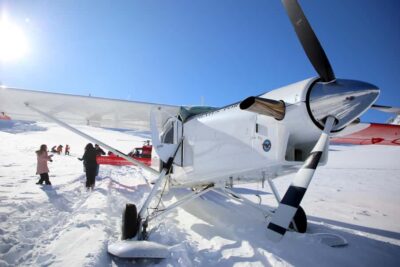 ★ 4.6Mount Cook: Ski Plane and Helicopter Glacier Combo FlightFrom $328271 reviews
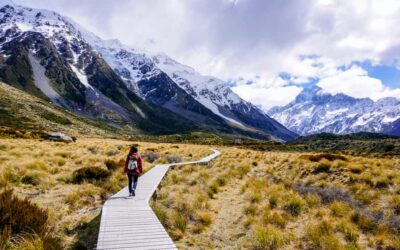 ★ 4.7Small Group Mt Cook Day TourFrom $166262 reviews
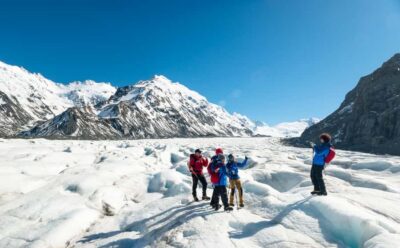 ★ 4.9Mount Cook: 3-Hour Tasman Glacier Helicopter Ride and HikeFrom $537235 reviews
 ★ 5.0Full-Day Guided Sightseeing Tour of Mount Cook from QueenstownFrom $173218 reviews