
REVIEW · LAKE TEKAPO AND LAKE PUKAKI TRIPS
Lake Tekapo: Stargazing Experience at Cowan’s Observatory
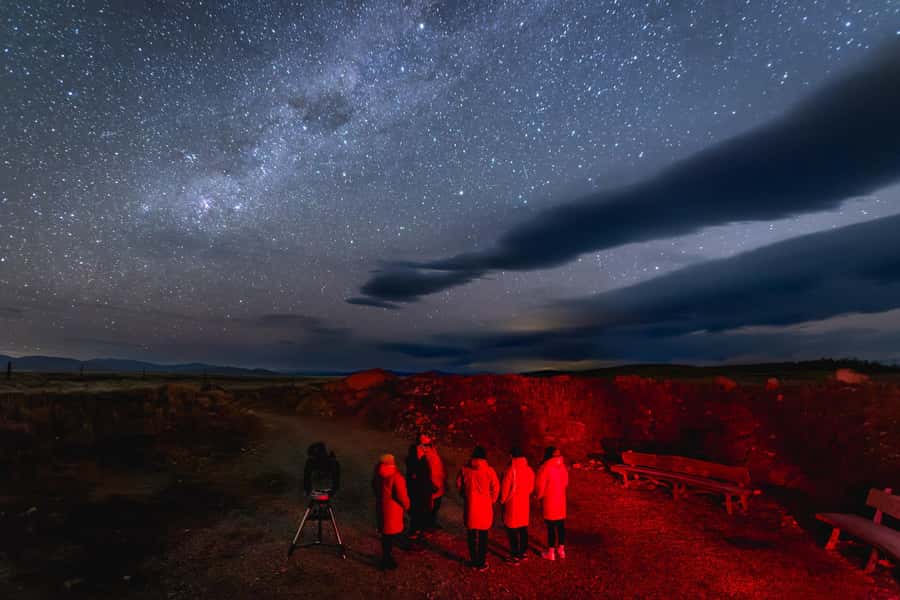
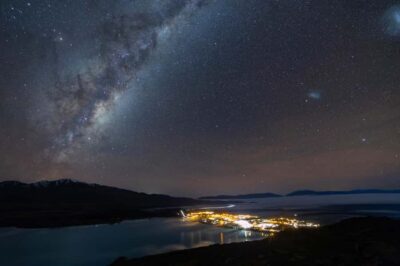
A night sky like this is rare anywhere. At Cowan’s Private Observatory near Lake Tekapo, you get guided stargazing in wind-sheltered observation craters, with telescopes aimed at what’s actually visible tonight.
I especially like that the team uses a Gold Standard International Dark Sky Reserve setting, which makes the Milky Way and southern galaxies look sharp instead of washed out. You also get an astronomer who adapts the explanations to the sky overhead, so even your first constellation walk can turn into real understanding.
One thing to consider is the comfort factor. This is a warm clothing kind of outing, and there is no food or drink included, so plan on bringing what you need and keeping it simple for the evening.
Key points to know before you go

- Purpose-built observation craters help block wind and reduce light pollution for steadier viewing
- Expert astronomy guide tailors what you see each night, not a one-size-fits-all script
- Naked-eye stargazing plus powerful telescopes mean you can start simple and zoom in
- Gold Standard International Dark Sky Reserve conditions help the Milky Way look dramatic
- Return transport from Tekapo saves you from driving in the dark
- No flash photography keeps the viewing comfortable for everyone
Why Cowan’s Private Observatory craters make night-sky viewing easier

Lake Tekapo already has a reputation for dark skies, but this experience takes it one step further with purpose-built observation craters. That matters more than people expect.
When you’re trying to see faint stars, wind is your enemy. A breezy hillside can shake your view, fog your hands with cold air, and shorten your patience fast. These craters are designed to shelter you, so you can actually stay focused long enough for the sky to “click” into place. The payoff is that both naked-eye stargazing and telescope time feel smooth, not chaotic.
The other big advantage is the light environment. Being in a dark sky reserve does more than sound impressive on a brochure. It reduces the glare that ruins contrast. When contrast improves, the Milky Way starts looking structured, not just cloudy. Southern constellations also hold their shape better when your eyes adjust.
Your 75 minutes in the sky: transport, timing, and how it unfolds
The experience runs 75 minutes, with round-trip transport from the Dark Sky Project base building in Tekapo. That’s a practical win. You don’t have to figure out parking, navigating dark roads, or walking back with cold hands while everyone else is already looking up.
The night generally flows like this:
- You arrive at the observation site and get oriented by your astronomy guide.
- You start with naked-eye stargazing, letting your eyes adapt to the darkness.
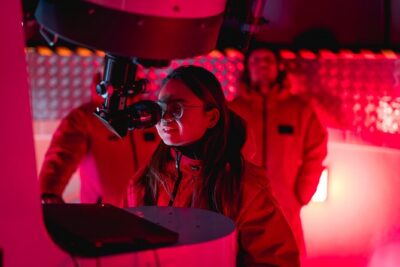
- You move into telescope viewing for what the guide identifies as the best targets for that night.
- You finish with more sky explanations so the stars don’t feel random when you leave.
Because the guide customizes your tour based on what’s visible each night, the order of targets can shift. That’s a good sign, not a surprise. It means you’re not stuck with a rigid checklist even if the sky conditions change slightly.
Also note the practical detail about booking dates if you choose a time after midnight. Double-check the date you’re reserving, because late-night schedules can be easy to misread when you’re planning across time zones.
What you’ll actually see: Milky Way structure, southern galaxies, and guided targets

The promise here is clear: you’ll focus on the southern skies, including galaxies and the “depth” of the Milky Way. In practice, what that translates to is a night-sky experience built for both beginners and repeat stargazers.
If it’s your first time, the naked-eye portion usually does the heavy lifting. You learn how to look for patterns, how to spot the Milky Way’s main band, and how to understand why the southern sky feels different from what many people saw at home. The guide’s job is to turn sky-watching into a skill, not just a photo opportunity.
If you already know your way around basic astronomy, the telescopes are where you’ll get more technical payoff. The guides use “powerful telescopes” for viewing targets matched to that night. That tends to be more satisfying than tours that only show the same bright objects every time, especially in a place where the sky changes with season and conditions.
One practical comfort from the experience: one guide mentioned by name, Vickey, explained things clearly and often repeated key points so people could follow along. That kind of pacing is a big deal during a stargazing tour, because the audience is often split between total beginners and people who already have some context.
Gold Standard dark-sky conditions and what they mean for your eyes

Lake Tekapo is known for clean night skies, and this experience places you inside a world-class International Dark Sky Reserve described as Gold Standard. Even if you don’t care about astronomy credentials, the effect is simple: your eyes can gather more light and the sky gets darker faster.
Here’s why that matters for what you’ll see:
- The Milky Way becomes more than a faint streak. It looks layered, with brighter knots and darker lanes.
- Star fields show better separation. Stars stop blending into a hazy smear.
- Southern constellations look more confident. Lines become easier to trace because the contrast is higher.
This is also why the craters are so helpful. Dark skies are sensitive. If you’re exposed to wind or light spill, your eyes adjust slower and the whole viewing experience feels less rewarding. The combination of sheltered craters plus protected dark-sky conditions is the main reason the tour can deliver a strong view in just 75 minutes.
Telescopes without losing the beginner-friendly tone

A common stargazing frustration is that tours either go too technical too fast, or they barely scratch the surface. This one aims for balance by pairing an accessible introduction with telescope time.
Expect the guide to explain what you’re seeing as you look through the eyepiece and then connect it back to the sky you can see with your own eyes. That translation step is where the experience becomes more than a look-up exercise.
The goal is that you leave with something you can repeat later:
- You’ll recognize parts of the Milky Way more easily.
- You’ll know where to focus your attention on the next clear night.
- You’ll understand the “why” behind what you’re seeing, at least at a beginner-friendly level.
And language support is built in. The tour guide can speak Chinese, English, or Japanese, which can make the explanations feel more natural than relying on a quick summary.
Price and value: is $77 per person worth it?

At $77 per person for 75 minutes, this isn’t the cheapest thing you can do in Lake Tekapo. The question is value, not just cost.
Here’s what you are paying for, based on what’s included:
- Expert astronomy guide who customizes what you see each night
- Naked-eye stargazing plus use of powerful telescopes
- Access to secluded observation craters designed for low light pollution and wind shelter
- Round-trip transportation from the Dark Sky Project base in Tekapo
If you compare this to DIY stargazing, the price starts to make more sense. DIY can work when skies are clear, but it often turns into a solo experience with limited guidance, awkward gear handling, and less confidence about what you’re seeing. This tour pays for direction, comfort, and a structured sky lesson in a short window.
The one note I’d keep in mind is that some people expecting a show might leave slightly disappointed if they are looking only for famous highlights. One booked participant summed it up as: if you’ve already seen certain very familiar items, it may feel less new. That doesn’t mean the tour is bad. It just means your expectations should match the format: educational, guided, and focused on what’s best in that sky tonight.
What to bring, what to skip, and how to stay comfortable

This is the kind of tour where what you wear changes your whole experience. Warm clothing is essential regardless of season, and you’ll want to plan for cold hands and chilly air.
Bring:
- Warm clothing
- Hat
- Scarf
And a smart comfort tip: in one account, jackets were available through the company if needed. Still, don’t assume you’ll get one in all cases. Wear what you know you can handle comfortably.
Skip:
- Flash photography. It’s not allowed, and it disrupts night vision.
Also plan your evening around the fact that food or drink is not included. If you need something to eat beforehand, do it before you arrive at the meeting point.
Who this stargazing experience is best for

This activity is designed as an introduction that still works for serious sky-watchers. That makes it a good match for mixed groups where everyone has a different comfort level with astronomy.
It should work well if:
- You’re a first-time stargazer and want guidance on what you’re actually looking at
- You’re bringing family members who are old enough to join (see the age rule below)
- You’ve done some basic stargazing before and you want someone to point you to the best targets for the night
It might not fit if:
- You have very young children. Children under 5 years are not allowed.
- You’re expecting a quick photo-only session. This tour is more about learning and viewing carefully than snapping and leaving.
Good news for accessibility: the tour is wheelchair accessible, and the viewing setup is designed so you can participate without needing to go off-road or navigate difficult terrain.
Weather and night-sky reality checks
Night sky plans depend on conditions. The tour notes that it can be cancelled in bad weather, and if that happens you’ll be offered an indoor alternate or a full refund.
That matters because stargazing is not fully in your control. You can do everything right, arrive prepared, and still get cloud cover. If the weather looks iffy, make sure you’ve built enough flexibility into your itinerary that you can handle an alternative plan.
Should you book Cowan’s Observatory for Lake Tekapo stargazing?
If you want a structured, guided night under dark skies, I’d book it. The combination of sheltered observation craters, Gold Standard dark-sky conditions, and a guide who customizes what you see each night is exactly what makes this kind of tour more satisfying than generic “look at the stars” outings.
Book especially if you:
- Want help understanding the Milky Way and southern sky targets
- Prefer transport and setup handled for you
- Plan to dress for the cold and focus on viewing, not just photos
Skip or reconsider if you:
- Don’t want to dress warmly or you’re sensitive to cold
- Need included food and drinks to feel comfortable
- Are looking for guaranteed set-piece targets no matter the night, because the guide follows what’s visible
FAQ
Where is the meeting point for Cowan’s Private Observatory stargazing?
You’ll meet at Dark Sky Project – Booking Office, 1 Motuariki Lane, Lake Tekapo 7999.
How long is the stargazing experience?
The experience is 75 minutes.
What is included in the ticket price?
The ticket includes a 1 hour 15 minutes stargazing experience, a passionate and experienced astronomy guide, use of powerful telescopes, and round-trip transportation from the Dark Sky base building in Tekapo.
What should I bring for this tour?
Bring warm clothing, a hat, and a scarf.
Is flash photography allowed?
No. Flash photography is not allowed.
Are children allowed on this tour?
Children under 5 years of age are not allowed to join.
Is the tour wheelchair accessible?
Yes, the tour is wheelchair accessible.
What happens if the weather is bad?
Tours can be cancelled in bad weather. If that happens, an indoor alternate will be offered as an alternative or a full refund provided.
Is food or drink included?
No. Food or drink is not included.
More Tour Reviews in Lake Tekapo
- Lake Tekapo: Alpine Stargazing Experience with a Guide
★ 4.5 · 626 reviews - Lake Tekapo: Stargazing Experience
★ 4.9 · 607 reviews - Tekapo Shuttle: Mt Cook Day Tour via Pukaki & Tasman Lake
★ 4.8 · 307 reviews - Chameleon Stargazing Shared Tour
★ 5.0 · 181 reviews
When the Sky Clears
- Lake Tekapo: Alpine Stargazing Experience with a Guide
★ 4.5 · 626 reviews - Lake Tekapo: Stargazing Experience
★ 4.9 · 607 reviews - Chameleon Stargazing Shared Tour
★ 5.0 · 181 reviews - Lake Tekapo: Mountaintop Stargazing at Mount John Summit
★ 4.5 · 176 reviews
That Mackenzie Blue
- Lake Tekapo: Alpine Stargazing Experience with a Guide
★ 4.5 · 626 reviews - Lake Tekapo: Stargazing Experience
★ 4.9 · 607 reviews - Tekapo Shuttle: Mt Cook Day Tour via Pukaki & Tasman Lake
★ 4.8 · 307 reviews - Lake Tekapo: Mountaintop Stargazing at Mount John Summit
★ 4.5 · 176 reviews
Lake Tekapo and Lake Pukaki Trips, side by side.
 ★ 4.5Lake Tekapo: Alpine Stargazing Experience with a GuideFrom $59626 reviews
 ★ 4.9Lake Tekapo: Stargazing ExperienceFrom $71607 reviews
 ★ 4.8Tekapo Shuttle: Mt Cook Day Tour via Pukaki & Tasman LakeFrom $89307 reviews
 ★ 4.5Lake Tekapo: Mountaintop Stargazing at Mount John SummitFrom $130176 reviews
 ★ 4.6From Christchurch: Queenstown via Tekapo & Mt Cook Day TripFrom $238167 reviews
 ★ 4.5Mount John Observatory Stargazing Experience, TekapoFrom $139160 reviews
 ★ 4.5Queenstown to Christchurch One-Way Tour via Mt Cook & Lake TekapoFrom $235134 reviews
 ★ 4.2Lake Tekapo: Single Day Multiple Entry Pass for Hot PoolsFrom $23129 reviews