
REVIEW · LAKE TEKAPO AND LAKE PUKAKI TRIPS
Twizel: Stargazing Tour with an Astronomer and Telescope
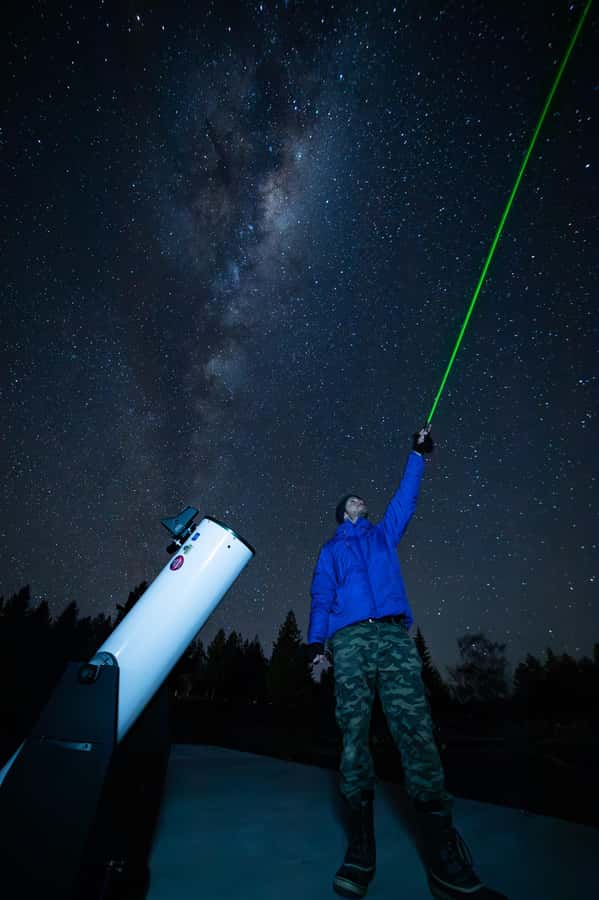
Twizel turns the night sky into a show. This 75-minute laser-guided stargazing tour in the Aoraki Mackenzie International Dark Sky Reserve is built around two things I really like: the chance to see the Milky Way under some of the darkest skies around, and having a qualified astronomer (often Dan/Daniel) explain what you’re actually looking at, not just point at it.
The standout for me is the mix of relaxed comfort and real astronomy, with outdoor seating and blankets plus telescope viewing of planets and deep-sky targets.
The main drawback to plan around is simple: nights in the Mackenzie region can get cold, and there are no toilets on-site, so come ready.
Key Things I’d Plan For

- Dark Sky Reserve setting: fewer light distractions, so stars and structure show up better.
- Laser-guided route through the sky: you’ll learn constellations and key celestial objects as you go.
- Telescope observations, adjusted to the night: you’re not stuck with a fixed script.
- Real science explanations: the astronomer ties what you see to the why.
- Personal astrophoto at the end: a thoughtful photo finish to take home.
Twizel’s Dark Sky Reserve: Why the Sky Looks Different Here

If you’ve ever seen star photos that look almost too good to be true, Twizel is the kind of place that can make them make sense. This tour takes place in the Aoraki Mackenzie International Dark Sky Reserve, a region chosen specifically to protect the night sky from light pollution. That matters. When the sky is darker, you see more than just “more stars.” You also see contrast, the shape of constellations, and details on bright targets like planets.
You get the best results when you give your eyes a little time to adjust. The tour’s structure helps with that because you’re not rushed from one thing to another. Instead, you start with what you can locate in the sky, then move into telescope viewing once you’ve got your bearings.
I also like that this tour talks about why the night sky is worth protecting. It’s not only science class. It’s also cultural and environmental meaning, tied directly to the Dark Sky Reserve values. That makes the experience feel purposeful, not just entertaining.
Arriving On Time at 50 Kate Cameron Drive, Then Settling In
The tour is only 75 minutes, so timing matters. You should arrive about 5 minutes early for check-in, and the guide meets you at the car park on the first left as you enter Lake Front Road. The listed starting location is 50 Kate Cameron Drive, so I’d treat that as your anchor point and then use the on-site directions for the exact parking spot.
This is a small group experience, limited to 10 participants. That size is great for two reasons. First, it keeps the pace calm enough for questions and clear explanations. Second, it makes telescope time feel more personal, because you’re not fighting for attention in a crowd.
Bring warm layers even if you’re visiting in summer. The tour is outdoors in the open night air, and the provided blankets help, but they don’t replace a good base layer, hat, and gloves. Reviews consistently stress how cold it can still be, and the tour rules also keep things simple: you’re there for the sky, not for partying.
One more practical note you’ll thank yourself for: there are no toilets on-site. Use facilities before you arrive.
Laser-Guided Constellations and Southern Hemisphere Star Science

The tour’s first act is about learning the sky in a way that actually sticks. A laser guides you to celestial objects visible that night, and your guide explains what you’re seeing and why it matters.
This part is especially valuable if you’re not a lifelong stargazer. It’s easy to look up and feel impressed. It’s harder to feel confident about what you’re seeing. The laser-guided approach bridges that gap. You get named references, star patterns, and context, so you leave with an updated sky map in your head.
Your astronomer also focuses on scientific significance, which is where the tour goes beyond casual “pretty lights.” You’ll learn how planets and stars work, how we classify celestial objects, and what those objects represent in real terms. Guides for this tour, including Dan or Daniel, come across as genuinely enthusiastic and able to explain complex ideas in plain language. That’s a big deal because stargazing often turns into guessing games. Here, you’re given handles to grab onto.
And there’s a calm rhythm to this portion. You sit comfortably in outdoor seating and blankets while the sky does its work overhead. It’s not frantic. It’s quiet learning, with a chance to relax as you look.
Telescope Time: Planets, Nebulae, Clusters, and Galaxies

The second part of the tour is the telescope segment, and it’s tailored to the season and what’s visible that night. That flexibility is one of the best parts of this experience, because the sky is always different. Instead of being stuck with the same targets year-round, the guide chooses deep-space objects that fit the conditions.
You can expect telescope viewing of planets, nebulae, star clusters, and galaxies. In practice, the tour’s telescope moments often focus on the big, rewarding targets first because they’re easier to connect to what you learned with the laser. For example, reviews describe views like Jupiter’s bands and moons and Saturn’s rings and moons. Those are classic “aha” moments, especially when your guide connects what you’re seeing to what’s happening physically in those worlds.
You might also see famous southern hemisphere targets. Some reported highlights include things like Alpha Centauri and the Tarantula Nebula. If deep-sky objects are on the menu, your guide will explain them, including what makes them interesting and what sort of structures you’re seeing through the telescope.
One thing to keep realistic expectations about: the telescope won’t look like an Instagram photo. Stars are still point-like. Nebulae and galaxies often appear as soft smudges or faint structure. The guide’s explanations matter here, because they help you interpret the view rather than wondering if something is “supposed” to be obvious.
Also, some reviews mention the guide showing visuals related to harder topics like black holes. The core telescope viewing stays focused on the standard set described for the tour (planets and deep-sky objects), but the broader science conversation can include bigger universe concepts.
Your Personal Astrophoto Finale Under the Stars
At the end of the tour, you’ll get a personal astrophoto of you under the stars. This is more than a nice souvenir. It’s also a way to turn a brief night session into a lasting memory, especially since stargazing tends to blur together with travel days.
What I like about the photo finish is that it matches the tour’s structure. You’re guided, you learn, you observe. Then you get one clear ending point, a final image that captures the feeling of the Dark Sky Reserve night.
Depending on the night’s conditions, your sky clarity can shift. But the photo is still one of the best reasons to book if you want something tangible from the experience, not only memories and a few shaky phone shots.
Price and Value: Is $59 Worth 75 Minutes?

At $59 per person for a 75-minute guided experience, you’re paying for more than “looking at stars.” You’re paying for a qualified astronomer, a small-group setting (max 10), laser-guided orientation, telescope time, and a personal astrophoto.
Here’s how the value adds up in real-life terms:
- You’re not managing the details. The guide handles object selection and explanations.
- You’re using proper gear. A telescope and professional guidance beat guessing with a random app.
- You get a takeaway. The astrophoto is included.
- You get learning, not only viewing. The science explanations are part of the package.
If you’re traveling through New Zealand and want a single night activity that feels both different and meaningful, this fits well. It’s also a good choice if you want an experience that works for non-experts. You don’t need to know the sky first.
Who Should Book This Stargazing Tour in Twizel?

This tour is best for you if you like hands-on learning and clear explanations. It’s also a solid pick if you’re the group member who always asks, What is that? because the guide answers it in context.
It suits a range of travelers:
- Couples who want a calm, low-pressure evening.
- Families with kids age 6 and up.
- Solo travelers who enjoy quiet, small-group activities.
- Astronomy fans who appreciate telescope viewing tied to real science talk.
It is not suitable for children under 6 years.
If you’re hoping for a party atmosphere or late-night drinks, this tour isn’t that. Alcohol and drugs are not allowed, and flash photography is not allowed. The rules exist to keep the experience clear for everyone, including the guide’s ability to run the laser pointers and telescope viewing smoothly.
Weather, Comfort, and Simple Rules You’ll Be Glad You Follow

This tour runs only in clear conditions. If weather interferes, you’ll be notified and offered a refund or reschedule. That’s normal for stargazing, and it’s worth protecting against by not scheduling it as your absolute last stop of the day.
Comfort matters because you’re outside. Even with blankets, you should treat this like a winter night plan. Layer up. Bring a hat and gloves if you get cold easily. The cold can sneak up fast after you’ve been sitting still looking up.
On-site rules are straightforward:
- No intoxication, alcohol, or drugs.
- No flash photography.
- Arrive 5 minutes early for check-in.
- Plan for no toilets on-site.
The “no flash” rule is more important than it sounds. Flash light destroys your night vision. It also makes it harder for others to enjoy the sky. If you want the best views, follow the rules and keep the light down.
Should You Book the Twizel Stargazing Tour?

Yes, if you want a small-group night experience with real explanations and a proper telescope, this is a strong bet. The setting inside the Aoraki Mackenzie Dark Sky Reserve does most of the heavy lifting, and the laser-guided astronomer format turns that darkness into understanding. Add the personal astrophoto, and you get both the wonder and a keepsake.
Book it especially if you’re not sure you’ll be able to navigate the sky on your own. The guide does the work for you, from constellation location to telescope targets that fit the night.
If you hate cold nights, don’t plan well for outdoor sitting, or need indoor comforts, you’ll struggle. In that case, pick a different activity and save the stargazing for a night you can dress for.
FAQ
How long is the stargazing tour in Twizel?
The tour lasts 75 minutes.
Where is the meeting point for the tour?
You meet your guide at the car park on the first left as you enter Lake Front Road. The listed starting location is 50 Kate Cameron Drive.
What is included in the ticket price?
The tour includes a guided stargazing experience with a qualified astronomer, use of a powerful telescope, a laser-guided tour with science-based explanations, seating, and a personal astro photo.
Is the tour wheelchair accessible?
Yes, the tour is wheelchair accessible.
What should I bring?
Warm clothing is recommended, since nights in the Mackenzie region can get cold.
Are there toilets on-site?
No, there are no toilets on-site. Use facilities before arriving.
Will the tour happen in cloudy weather?
Tours run only in clear conditions. If the tour is cancelled due to weather, you will be offered a refund or reschedule.
Is flash photography allowed?
No, flash photography is not allowed.
Is alcohol allowed during the tour?
No. Intoxication, alcohol, and drugs are not allowed.
Lake Tekapo and Lake Pukaki Trips, side by side.
 ★ 4.5Lake Tekapo: Alpine Stargazing Experience with a GuideFrom $59626 reviews
 ★ 4.9Lake Tekapo: Stargazing ExperienceFrom $71607 reviews
 ★ 4.8Tekapo Shuttle: Mt Cook Day Tour via Pukaki & Tasman LakeFrom $89307 reviews
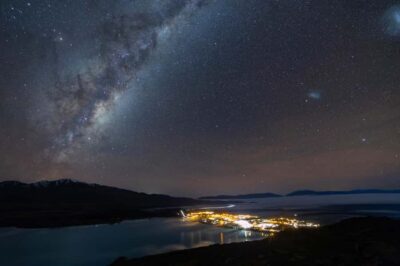 ★ 4.5Lake Tekapo: Mountaintop Stargazing at Mount John SummitFrom $130176 reviews
 ★ 4.6From Christchurch: Queenstown via Tekapo & Mt Cook Day TripFrom $238167 reviews
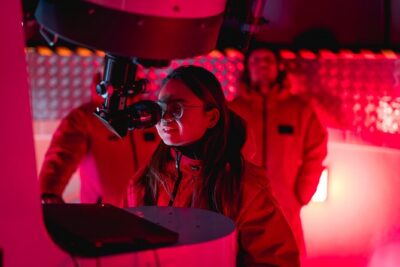 ★ 4.5Mount John Observatory Stargazing Experience, TekapoFrom $139160 reviews
 ★ 4.5Queenstown to Christchurch One-Way Tour via Mt Cook & Lake TekapoFrom $235134 reviews
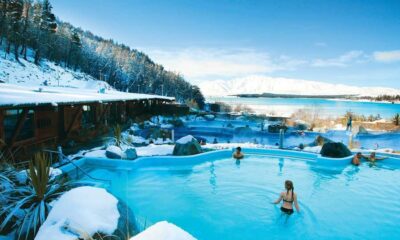 ★ 4.2Lake Tekapo: Single Day Multiple Entry Pass for Hot PoolsFrom $23129 reviews