
REVIEW · QUEENSTOWN NIGHT SKY EXPERIENCES
Dark Sky Indoor Maori Cultural Astronomy Experience
Rainy evening plans? Keep the stars.
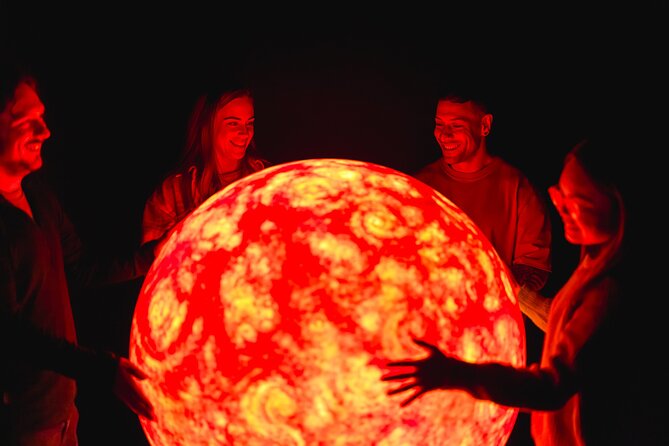
In Lake Tekapo, this indoor Dark Sky Project turns daytime hours into real sky learning, with Māori astronomy and Western science woven together. You also get a look at the restored Brashear Telescope, a tall Victorian-era instrument made for stargazing fans.
I like that it is built for families, not just astronomy buffs. Still, the main catch is obvious, it is indoors, so you are not relying on clear skies to see the outdoor night sky.
Four Zones of Sky Stories at Lake Tekapo’s Dark Sky Project

- Four interactive zones cover Māori constellations, ocean-current navigation ideas, star clusters, and mythology in the sky
- Māori astronomy meets Western science, so you can compare how different cultures explain the heavens
- Restored Brashear Telescope viewing brings a classic tool into a modern storytelling space
- Family-friendly pacing means kids have hands-on moments while adults still get real facts
- Year-round schedule helps you plan around weather, not the other way around
Dark Sky Project in the Aoraki Mackenzie Dark Sky Reserve

Lake Tekapo is famous for night skies, and this experience uses that setting in a practical way. You get to connect with the Aoraki Mackenzie International Dark Sky Reserve from inside, without waiting for the sky to cooperate.
What makes the setting work is the theme. The story is about seeing the night sky through two lenses, Māori astronomy and scientific discovery. That combination helps you understand not only what’s up in the sky, but why people cared so much about it.
I also like that the presentation is designed for mixed ages. You are not stuck watching one long lecture. You move through zones, you interact, and the guide keeps the focus on what you can make sense of right now.
Price and Value: Is $37.56 Worth It?
At $37.56 per person, this is the kind of attraction that either feels like a bargain or like a miss, depending on what you want from your time in Lake Tekapo. Here’s the value math that makes it feel fair.
First, you are getting a guided tour (about 45 minutes) that includes multiple interactive areas. For a single ticket price, you get cultural astronomy, science storytelling, and a real piece of observing history via the telescope. That is a lot packed into a short visit.
Second, it helps you beat weather. Lake Tekapo is all about the outdoors, but clouds happen. If your trip hits rain, you still keep your schedule moving and you do something that connects directly to the area’s dark-sky identity.
The third value point is the audience fit. It is suitable for all ages and designed to keep families engaged. If you are traveling with kids, the show style matters. It reduces the odds of a bored hour where everyone counts minutes.
What the 1 Hour Visit Feels Like (Even If It’s Not Night Yet)

The whole experience runs about 1 hour including the guided time, and it is structured around zones inside the Dark Sky Project. Because it is indoors, you are free from the usual stargazing headache of timing your night around clouds and wind.
Think of it as a “sky literacy” session. You learn how different observers use the sky, what patterns they notice, and how those patterns link to navigation, agriculture, and everyday life. Then you end with a tangible symbol of astronomy history, the restored Brashear Telescope.
This is also the kind of activity you can slot into a busy day. It is short enough that it does not swallow your afternoon, but long enough that you actually absorb the story. And because it operates year-round, you can plan with less guesswork.
Stop 1: Moving Through Four Interactive Zones

Even though the tour is a single stop, you get a full flow inside. The guides lead you through four interactive zones, each one taking a specific piece of the sky story and making it approachable.
Zone Themes You’ll Encounter
Here’s what the zones are built to cover, and why each theme matters:
- Māori constellations and how they connect to navigation
You do not just learn names of stars. You see the idea that sky patterns could guide travel and help people move with confidence.
- Ocean currents and the sky’s relationship to wayfinding
This is where the cultural perspective feels practical. You explore how people linked observations across the natural world, not just what the stars look like on a clear night.
- The significance of star clusters
Instead of treating the sky like disconnected points of light, the focus shifts to groups and meaning. That helps kids and adults build mental “maps” faster.
- Mythology in the stars
Stories are not an add-on. They are part of how knowledge is carried. You learn that constellations can work like memory tools, making complex sky knowledge easier to pass on.
A Science Narrative With Real Grounding
Alongside the cultural astronomy thread, there is also a science-based narrative. The tour includes a discussion around how living beings came to be, which gives you a big-picture context for why “the universe” matters to daily life.
This balance is one reason the experience works. It helps you compare explanations rather than forcing one viewpoint to replace another.
The Guide Experience: Fast, Clear, and Interactive
Guides deliver the four-zone tour, and the style matters here. In the space, the guide keeps things understandable and interactive, with clear storytelling and back-and-forth moments.
One guide even leaned into a relaxed nickname approach, being fine with people calling him To (and variations like To-bro or boy). That kind of friendly, approachable tone makes the cultural content feel less like a school lesson and more like a shared discovery.
The Restored 125-Year-Old Brashear Telescope

One of the biggest draws is the telescope. You get to view the restored Brashear Telescope, a nine-meter-tall, Victorian-era instrument. That is not a small detail. It gives the tour a physical anchor.
What you should expect is not just a photo moment. The telescope becomes part of the story, showing you how astronomy has been practiced historically, long before modern digital tools. It also makes the whole “night sky” concept feel real, because you see a tool built specifically for observing.
If your kids love machinery, old tech, or anything big and impressive, this part usually lands well. Even if you do not know the first thing about telescope design, seeing something that tall tends to spark curiosity fast.
Why the Māori Astronomy Link Feels Meaningful

This experience is not just “stars from another culture.” It connects ideas you can use: navigation, agriculture, and life. That is a strong way to make cultural knowledge feel grounded.
When Māori astronomy is presented alongside Western science, you get a chance to ask a useful question: how do people turn what they see into knowledge? Different cultures used different frameworks, but both systems are trying to explain patterns in the sky.
It also helps that the tour stays family-friendly. The pacing and zone structure make it easier to follow. Kids get a way to participate, while adults can enjoy the comparison between cultural story and scientific discovery.
And because you learn during the day, you are not waiting for the best lighting conditions to start understanding the sky. You walk in with curiosity and walk out with a mental framework for what you might notice later, outdoors.
Weather-Proof Stargazing Planning for Lake Tekapo

If you are visiting Lake Tekapo in changeable weather, this indoor option is a real lifesaver. It is designed to operate year-round, so you do not lose a key part of the itinerary when clouds roll in.
I like that it reduces stress. Instead of scrambling to find an outdoor window, you commit to a planned activity that still connects to the night-sky theme. Then if the weather clears, you can still enjoy the outdoors afterward. But if it does not, your day is not ruined.
It is also a smart choice if your group has mixed interests. Some people want astronomy facts. Some people want stories and culture. This format tries to satisfy both in the same hour.
Who This Tour Suits Best

This is a strong fit if you are traveling with kids, or if you want a structured introduction to the sky that does not require night vision skills.
It is also a good choice if you:
- Want cultural astronomy and Western science side by side
- Need an indoor plan that stays aligned with Lake Tekapo’s dark-sky identity
- Prefer a guided, interactive format over a self-paced museum walk
If you are the type who came specifically to see the real night sky through a telescope outdoors, you might still want outdoor stargazing after. But as a first step, this is one of the better uses of limited trip time.
Practical Details: Meeting Point, Group Size, and What to Bring
You meet at 1 Motuariki Lane, Lake Tekapo 7999, New Zealand. The activity ends back at the meeting point.
The experience runs with a maximum group size of 26. That is small enough that the guide can manage the room and keep things from turning into a rushed conveyor belt.
You get a mobile ticket. The tour is near public transportation, which helps if you do not have your own car. Service animals are allowed, and most people can participate.
Snacks are not included, and coffee or tea are also not listed as included. If you need caffeine or a snack buffer, plan to bring your own or grab something before you go.
Should You Book It?
Book it if you want a family-friendly, weather-proof way to connect with Lake Tekapo’s dark-sky story. For the price, you are getting guided time, four interactive zones, cultural astronomy content, a science narrative, and a chance to see a restored Victorian-era telescope.
Skip it only if you are purely chasing outdoor stargazing with maximum sky visibility. This is indoor education and storytelling, so it will not replace the thrill of a clear, outdoor night under good conditions.
If your trip timing or weather looks uncertain, this is exactly the kind of ticket that keeps the day meaningful and the kids engaged.
FAQ
How long does the Dark Sky Indoor Māori Cultural Astronomy Experience last?
It runs for about 1 hour (approx.). The guided tour portion is described as 45 minutes, and it takes place through four zones.
Is this experience indoors, or do I need to wait for night time?
It is indoors, and the main idea is that you can learn about the night sky during day time. You do not need to wait until after dark to enjoy the experience.
What is included in the guided tour?
Your ticket includes a 45-minute guided tour through four zones, delivered by guides. You also get the science-based narrative about the universe and life, and the cultural astronomy storytelling.
What are the four interactive zones?
The zones focus on Māori use of constellations and ocean currents for navigation, the significance of star clusters, mythology in the stars, and additional science narrative content within the indoor story.
Will I be able to see the Brashear Telescope?
Yes. The experience includes viewing the restored 125-year-old Brashear Telescope, described as a nine-meter-tall Victorian-era telescope.
Is it suitable for families and children?
Yes. It is suitable for all ages and is designed to be kid-friendly, with multimedia exhibits and hands-on activities mentioned in the description.
Where do I meet for the tour?
The meeting point is 1 Motuariki Lane, Lake Tekapo 7999, New Zealand. The experience ends back at the meeting point.
What about snacks and drinks?
Snacks are not included, and coffee and/or tea are not included.
Can I get a refund if my plans change?
Yes, free cancellation is available. You can cancel up to 24 hours in advance for a full refund. If you cancel less than 24 hours before the start time, the amount you paid will not be refunded. If a minimum traveler requirement is not met, the operator will offer a different date or a full refund.
More Tour Reviews in Lake Tekapo
- Lake Tekapo: Alpine Stargazing Experience with a Guide
★ 4.5 · 626 reviews - Lake Tekapo: Stargazing Experience
★ 4.9 · 607 reviews - Tekapo Shuttle: Mt Cook Day Tour via Pukaki & Tasman Lake
★ 4.8 · 307 reviews - Chameleon Stargazing Shared Tour
★ 5.0 · 181 reviews
When the Sky Clears
- Lake Tekapo: Alpine Stargazing Experience with a Guide
★ 4.5 · 626 reviews - Lake Tekapo: Stargazing Experience
★ 4.9 · 607 reviews - Chameleon Stargazing Shared Tour
★ 5.0 · 181 reviews - Lake Tekapo: Mountaintop Stargazing at Mount John Summit
★ 4.5 · 176 reviews
Queenstown Night Sky Experiences, side by side.
 ★ 4.5Lake Tekapo: Alpine Stargazing Experience with a GuideFrom $59626 reviews
 ★ 4.9Lake Tekapo: Stargazing ExperienceFrom $71607 reviews
 ★ 5.0Chameleon Stargazing Shared TourFrom $74181 reviews
 ★ 4.5Lake Tekapo: Mountaintop Stargazing at Mount John SummitFrom $130176 reviews
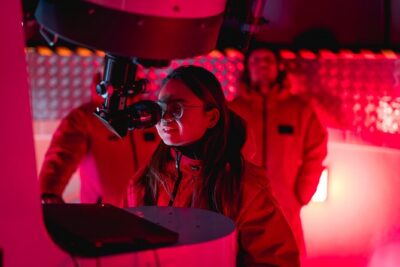 ★ 4.5Mount John Observatory Stargazing Experience, TekapoFrom $139160 reviews
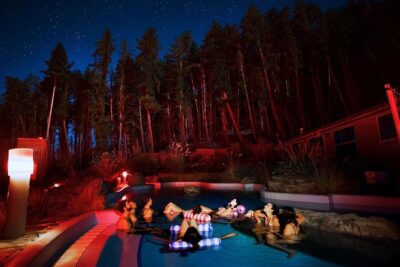 ★ 4.5Tekapo Star Gazing Tour – Soak in the StarsFrom $117109 reviews
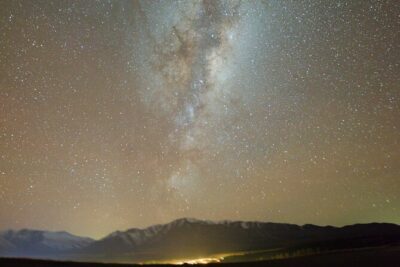 ★ 4.5Silver River Stargazing Experience in Lake TekapoFrom $61106 reviews
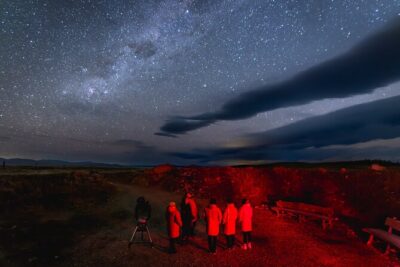 ★ 4.0Stargazing Experience at Cowan’s Private ObservatoryFrom $8285 reviews
Also filed under